

Cabarrus County receives $357K grant to preserve 88 acres of farmland
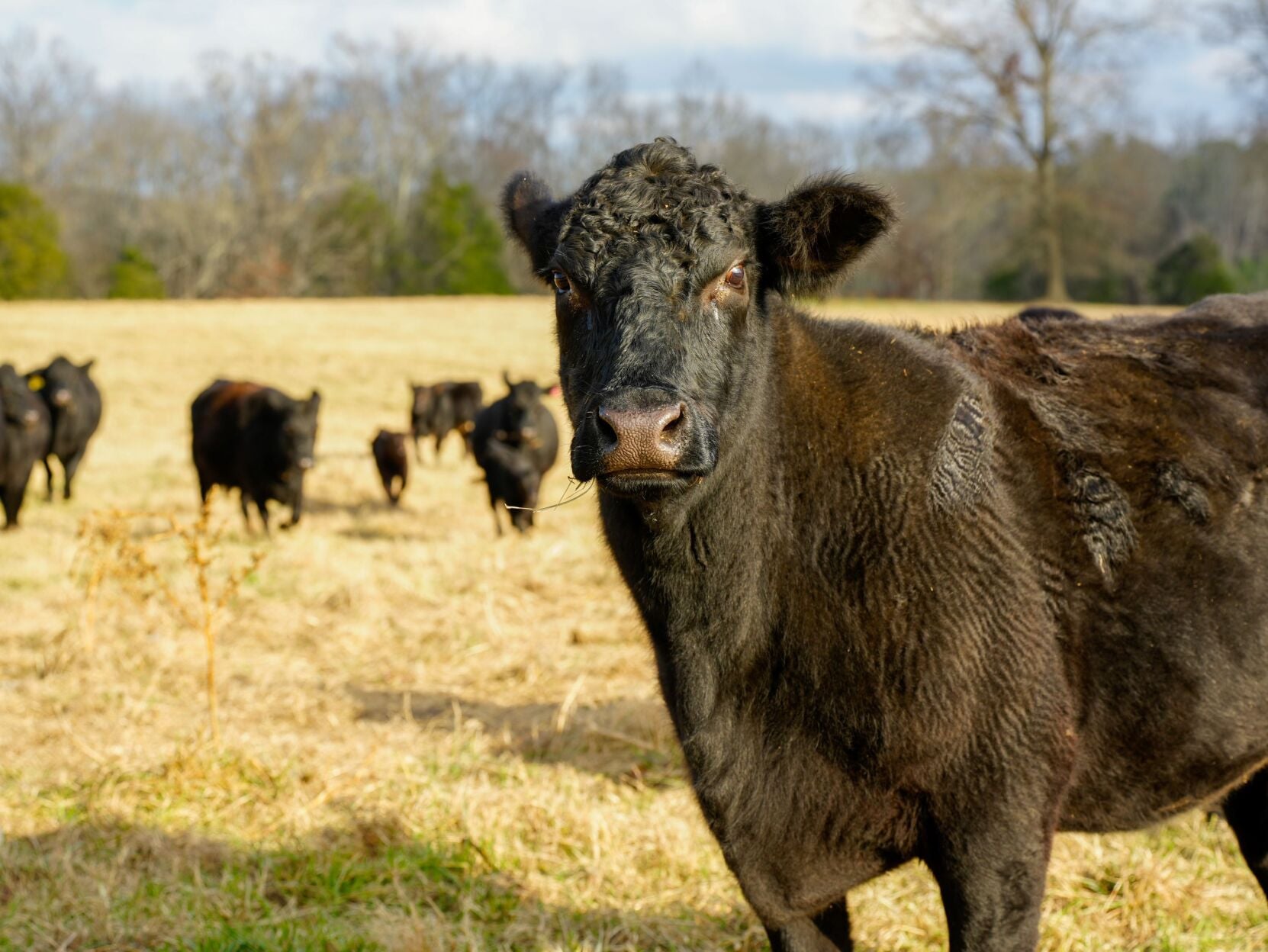
Preserved farmland in Cabarrus County supports a variety of agricultural operations, including soybeans, corn, wheat, pasture for cattle, hayfields and forestry.
More than 88 acres of Cabarrus County farmland could be protected thanks to a portion of a $51.2 million statewide grant from the N.C. Agricultural Development and Farmland Preservation Trust Fund.
Cabarrus is one of 44 NC counties included in the grants announced earlier this month.
The award is the latest in ongoing efforts of the Cabarrus Soil and Water Conservation District (CSWCD), which works with local landowners and funding partners to protect the heritage and future prosperity of local farms.
With the recent grant funding, the department will work with Helms Red Barn Farm to preserve 88.3 acres through $357,851 in preservation grant funds, according to the state.
Between 2007 and 2020, Cabarrus Soil and Water helped establish 10 conservation easements spanning about 417 acres in Concord, Kannapolis, Mount Pleasant and Gold Hill.
Another six easements totaling 467 acres are in progress. Four of those projects have received funding from the N.C. Agricultural Development and Farmland Preservation Trust Fund and the U.S. Department of Agriculture’s Land Easements program.
Two others in Mount Pleasant will protect more than 117 acres combined. The Cabarrus County Board of Commissioners approved $600,000 in “rollback” funds to help with those projects.
The preserved farmland supports a variety of agricultural operations, including soybeans, corn, wheat, pasture for cattle, hayfields and forestry.
“Conservation easements protect open spaces, preserve historic agricultural use, provide wildlife habitat and help prevent flooding,” says Amy Cook, resource conservation easement specialist with the Cabarrus County Soil and Water Conservation District. “They help preserve what makes Cabarrus County such a special place.”
How conservation easements work
Landowners can donate a conservation easement or receive compensation in exchange for giving up certain development rights. The easement helps protect the property from future development while allowing it to remain in use for agriculture.
The process starts when a landowner expresses interest in preserving their property. CSWCD reviews eligible properties and ranks factors such as soil quality, proximity to municipal limits, community involvement and participation in a voluntary agricultural district.
Properties that rank well may qualify for funding from state and federal programs, private foundations or other sources. Securing funding takes time and requires property record searches, conservation plans and other documents, Cook says. If funding is awarded, the landowner and CSWCD work with an attorney to finalize the agreement.
Landowners cannot apply directly for these grants. They must work with an eligible organization, like CSWCD or a land trust, to pursue funding.
How conservation easements are funded
CSWCD helps connect landowners with funding opportunities and coordinates local efforts to preserve farmland. Funding comes primarily from state and federal grants, along with local support.
One source of local funding is Cabarrus County’s Ned Hudson rollback tax fund, also known as the present-use value (PUV) fund.
In 2022, the Board of Commissioners named the fund to honor Hudson’s contributions to soil and water conservation in Cabarrus County. Hudson served on the Cabarrus Soil and Water Conservation Board for 24 years and was inducted into the North Carolina Association of Soil and Water Conservation Districts Hall of Fame.
The PUV program, which is required by the state, allows qualifying farmland, horticultural land and forestland to be taxed based on its current use rather than its market value. This can help landowners keep their property in agricultural production by reducing their property taxes.
If land no longer qualifies for the program, the owner generally must repay the tax savings from the previous three years, along with applicable interest. This repayment is known as rollback taxes, and the money collected goes into the rollback fund.
The amount available in the rollback tax fund depends on land sales and changes in land use within the county. CSWCD requests funding from the Board of Commissioners as needed to help preserve farmland. These local funds can also help meet matching requirements for outside grants.
Through a combination of local investment and state and federal grant funding, Cabarrus County continues to work with landowners to protect working farms, maintain agricultural opportunities and preserve farmland for future generations.
“We encourage landowners to reach out to Cabarrus Soil and Water Conservation District if they’re interested in learning more about conservation easements or other farmland protection opportunities,” says Cook.
Contact Cook at alcook@cabarruscounty.us or 704-920-3311.
For general updates and information, follow Cabarrus Soil and Water Conservation on Facebook.