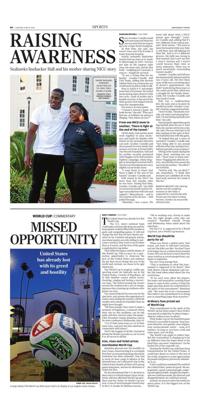

RAISING AWARENESS
Seahawks linebacker Hall and his mother sharing NICU story
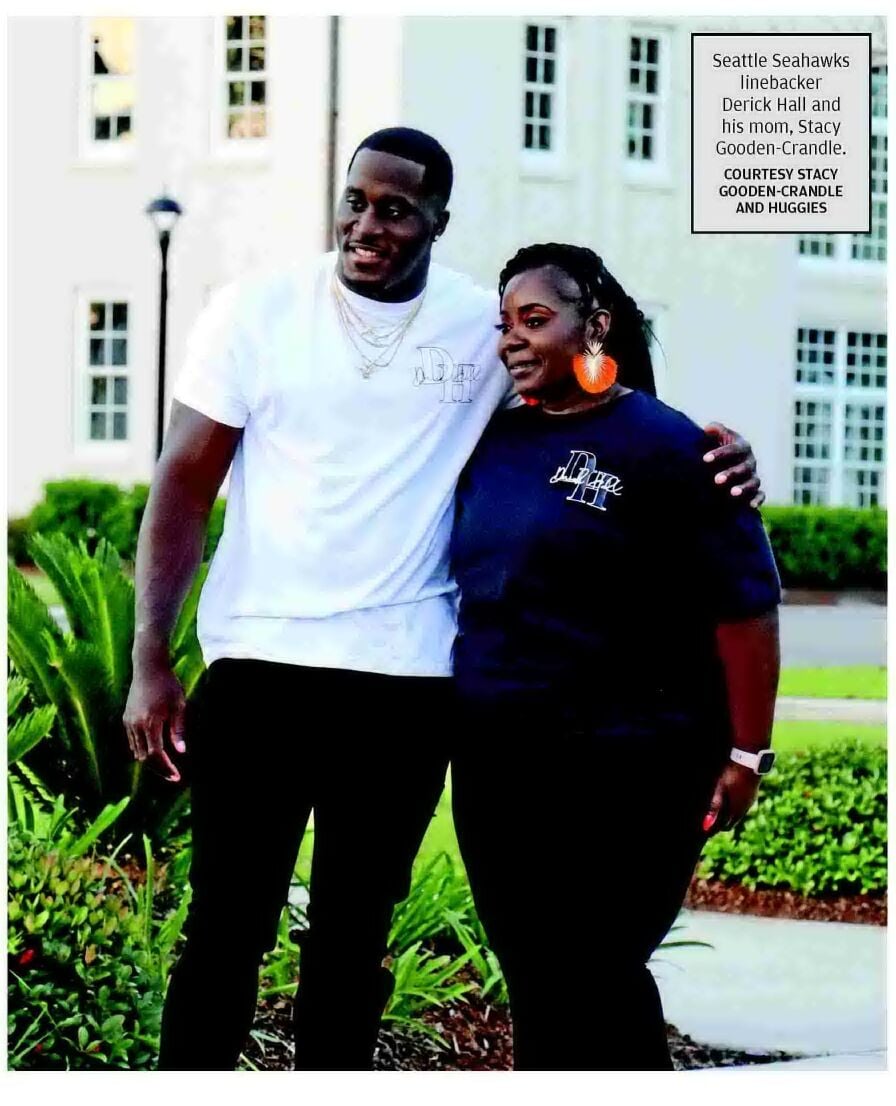
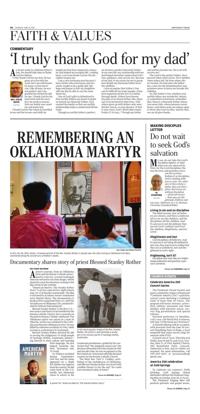
Seattle Seahawks linebacker Derick Hall and his mom, StacyGooden-Crandle.
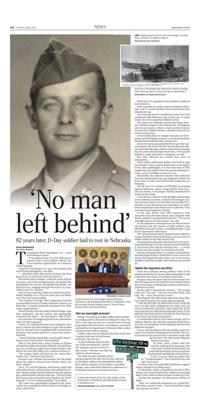
Stacy Gooden-Crandle would have never guessed when her son was born that he'd grow up to be a Super Bowl champion.
At that time, she said, she wasn't even sure if he'd make it home from the hospital.
Seattle Seahawks linebacker Derick Hall was born at 23 weeks in Mississippi in 2001. Doctors put him on life support right away, his mom said, and his tiny body − weighing just 2 pounds, 9 ounces − fought for survival.
"It was a trying time for my family," Gooden-Crandle told USA Today, adding that doctors told her there was a chance her son would never be able to walk or talk.
Now 25, Hall is 6'3" and weighs more than 250 pounds. He turned heads during Super Bowl 60 with two sacks, a pair of tackles and a fumble recovery at the end of the third quarter that helped win his team the championship.
His mom is at every game. "I haven't missed a game. He looks for me," she said. "If he can't find me, at halftime my phone is dinging, 'Hey, where are you?'"
From one NICU mom to another, 'There is light at the end of the tunnel.'
Off the field, Hall and his mom work together to raise awareness and funds for families with infants in the neonatal intensive care unit. Gooden-Crandle said she responds to every family that reaches out to her at Derick Hall's One Percent Foundation. Hall and his mother recently partnered with Huggies on its Natural Born Fighters campaign, where Huggies is donating $1 to Derick Hall's One Percent Foundation for every eligible social media share.
"I want them to know that there is light at the end of the tunnel," Gooden-Crandle said.
Hall stayed in the NICU for more than five months after he was born. During that time, Gooden-Crandle said, "my faith in God and my family and my village surrounded me with love and support." Miraculously – and to the surprise of his doctors – Hall pulled through.
"Mentally, I was a mess. We never talk about what a NICU parent goes through," Gooden-Crandle said, adding that it's very different from typical parents' birth stories. "You have to leave the hospital while your baby is still there and still fighting for their life. And so it's a different process. My faith was strong in that moment, but I can't say that I wasn't worried and I wasn't scared because there were so many unknowns. There was so much uncertainty surrounding Derick's health."
Gooden-Crandle said Hall was developmentally delayed until he was 6 years old. His first three years of life were a revolving door of doctor's appointments. She didn't work during those years so she could care for him, which was a struggle for her family, financially, but Gooden-Crandle said they made it work.
Hall was a rambunctious kid, she said, and as he grew he needed an outlet. Gooden-Crandle's brother suggested football.
"And I'm like, 'Absolutely not.' Like, my baby is not playing football. I'm not letting anybody hurt him," she said.
She hesitantly signed him up for flag football when he was 4. Even then, his coaches saw he was a star, she said. She was reluctant to let him continue in the sport at first, but Hall fell in love with the game.
"It helped him get a sense of normalcy," Gooden-Crandle said. "Just being able to run around with the other boys and play football just gave him a sense of peace."
Sitting in the stands during the Super Bowl, watching her son win, "There were so many emotions." Hugging him after his victory, she told him how proud she was to be his mother. "You did it," she told him.
"And he said, 'No, we did it,'" she remembers. "I think that moment just solidified all of the hard work and how he's made it this far."
Madeline Mitchell's role covering women and the caregiving economy at USA Today is supported by a partnership with Pivotal and Journalism Funding Partners. Funders do not provide editorial input.