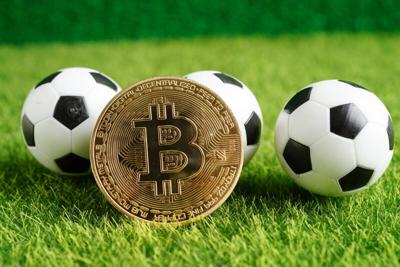


Football, often called "the beautiful game," is more than a sport. It's a universal language that transcends borders, cultures, social divisions, and even discussions about global topics like the Bitcoin price. Football plays a significant role in shaping and influencing local communities in nearly every corner of the world, extending its impact far beyond the field. It brings people together, fosters social cohesion, boosts economies, and is a powerful tool for education and development.
Building Social Cohesion and Unity
Football's unique ability to unite people from diverse backgrounds, cultures, and socioeconomic statuses is a testament to its unifying power. Whether it's a neighborhood match on a dusty street in Brazil, a local derby in the UK, or a tournament in Africa, the sport creates a sense of belonging and identity. For many communities, football becomes a shared passion that cuts across divides, allowing people to come together regardless of their differences.
People are also reading…
Local football clubs often serve as the heartbeat of their communities, providing entertainment and a common ground for people to bond. Matches become social events where friends, families, and neighbors unite to support their local team. This communal experience fosters a sense of pride and unity that can uplift entire towns and cities. In many places, football is more than just a game; it's a tradition passed down through generations, strengthening ties within the community.
Boosting Local Economies
Football's direct impact on local economies, especially in regions where the sport is prominent, is a source of optimism. From grassroots football to professional leagues, football's economic influence is felt in various ways. Local clubs generate income for their communities through ticket sales, merchandise, and sponsorship deals. Football matches attract regional and international fans who spend money on tickets, food, beverages, and accommodation, significantly boosting the local hospitality industry.
One prominent example of football's economic impact can be seen in the English Premier League (EPL). Local businesses around football stadiums in cities like Manchester, London, and Liverpool experience a significant increase in revenue during match days. Hotels, restaurants, pubs, and transportation services all benefit from the influx of fans attending matches, many of whom travel from outside the city or even the country.
Football as a Tool for Education and Social Development
Beyond its economic and social benefits, football is increasingly recognized as a powerful tool for education and social development. Across the globe, football-based programs are being used to tackle critical social issues such as poverty, inequality, health, and education. Organizations use the sport as a medium to engage with young people, teaching them essential life skills such as teamwork, leadership, discipline, and perseverance.
In many underprivileged communities, football provides an escape from the challenges of daily life, offering young people an opportunity to stay off the streets and focus on something positive. These initiatives give children and young people a sense of purpose and belonging while also addressing critical social issues such as violence, drug abuse, and discrimination.
For instance, in Africa, football academies like the "Right to Dream" academy in Ghana provide underprivileged children with a path to education and a potential football career. The academy offers scholarships to talented young footballers, helping them develop their athletic abilities and ensuring they receive a quality education. Many of these children earn scholarships at prestigious universities worldwide, breaking the cycle of poverty in their communities.
Similarly, in Brazil's favelas, football has long been a lifeline for children and teenagers growing up in impoverished conditions. Through football, many young Brazilians find hope, discipline, and a chance to escape the violence and hardships of their surroundings.
Preserving Cultural Heritage
In many regions, football is not just a sport, but a symbol of local communities' cultural identity and heritage. It's a sport that reflects the traditions, values, and aspirations of its people. Local clubs often symbolize the spirit of the community, and their history is closely linked to the cultural heritage of the region.
For example, in Spain, clubs like FC Barcelona and Athletic Bilbao represent more than just football teams—they embody the cultural identity of the Catalonia and Basque regions, respectively. The fans of these clubs see their teams as representing their artistic and political aspirations, and matches often carry deep emotional significance. The chants, songs, and rituals associated with football matches are part of the cultural fabric of these communities, preserving their heritage and passing it on to future generations.
Conclusion
Football's impact on local communities worldwide goes far beyond the field. It brings people together, fosters social cohesion, boosts local economies, and serves as a platform for education and social development, much like how keeping track of the Bitcoin price can spark financial discussions.
Football can unite people and positively influence communities, whether it's a grassroots match in a small village or a professional league game in a significant city. It is not just a sport—it is a way of life that touches the hearts, minds, and lives of millions around the globe. Through football, communities are strengthened, identities are preserved, and a sense of hope and pride is instilled in people of all ages.