
Pregnancy centers in the U.S. that discourage women from getting abortions added more medical services — and could be poised to expand further.
People are also reading…
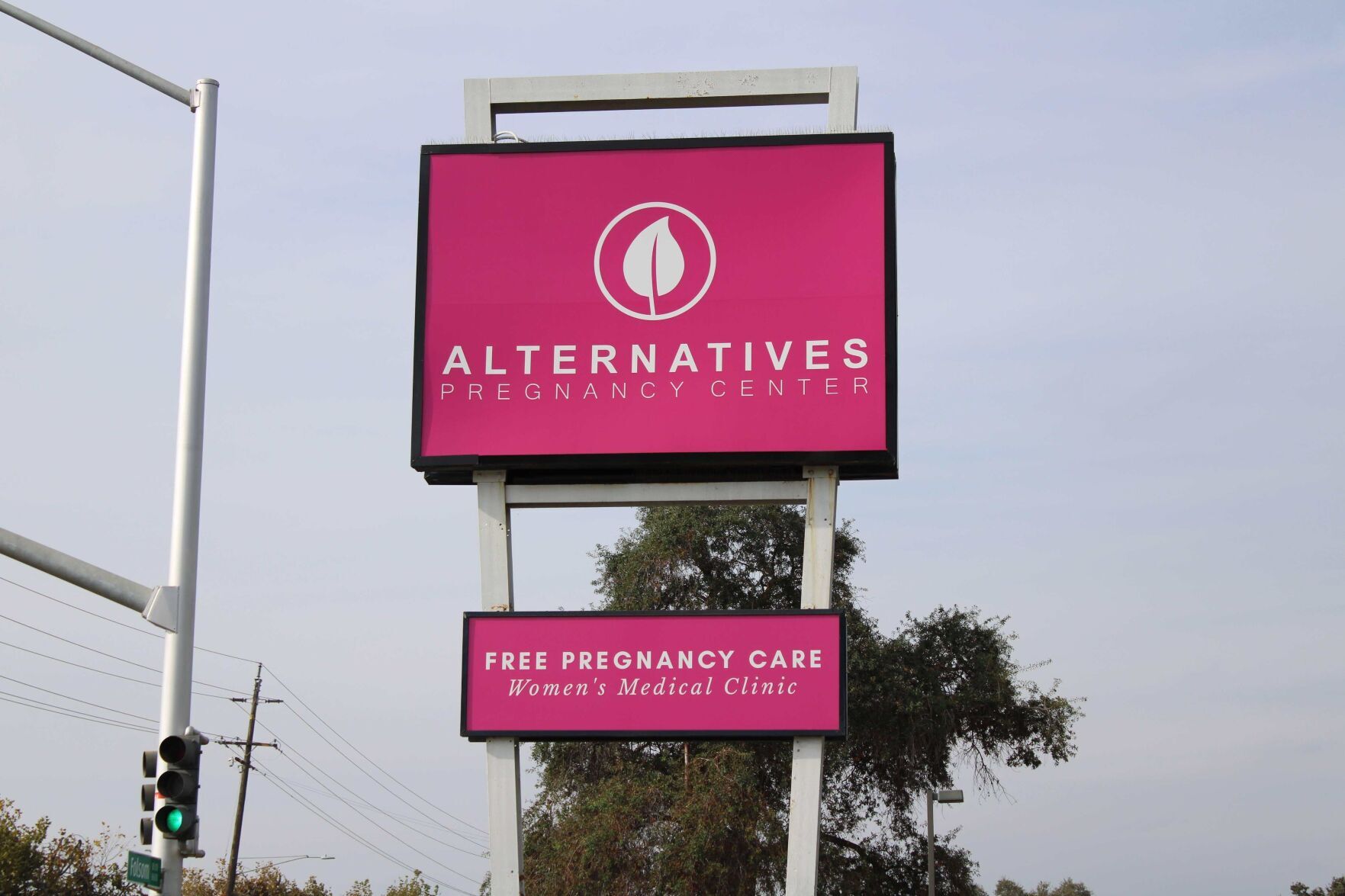
A sign for the Alternatives Pregnancy Center is seen Friday in Sacramento, Calif.



A sign advertises free pregnancy tests and abortion information outside the Woman's Choice Pregnancy Resource Center on June 17, 2022, in Charleston, W.Va.

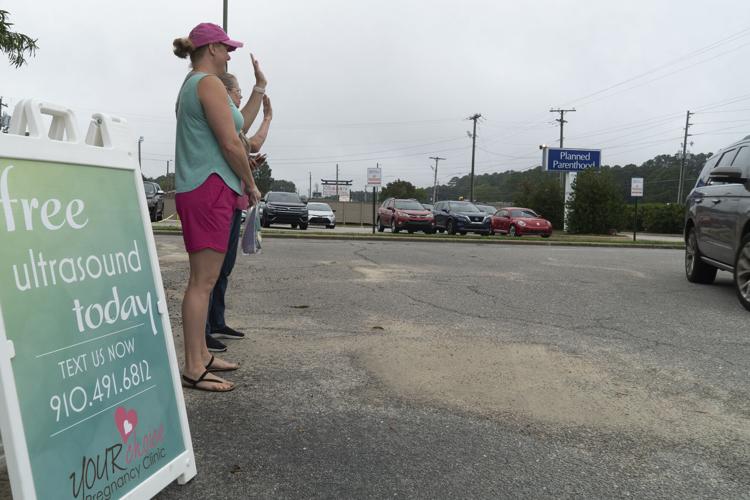
Air Force veteran and mother of two Laura Browne waves to a passing vehicle outside a Planned Parenthood clinic on Oct. 1, 2024, in Fayetteville, N.C. Browne does sidewalk ministry for a pregnancy center just up the road.
Q&A: Abortion medication explained
How does medication abortion work?
Medication abortions became the preferred method for ending pregnancy in the U.S. even before the Supreme Court overturned Roe v. Wade. These involve taking two prescription medicines days apart — at home or in a clinic.
Abortion procedures are an invasive medical technique that empties the womb. They are sometimes called surgical abortions, although they don’t involve surgery.
Two pills work in combination
Mifepristone is taken first, swallowed by mouth. The drug dilates the cervix and blocks the effects of the hormone progesterone, which is needed to sustain a pregnancy.
Misoprostol, a drug also used to treat stomach ulcers, is taken 24 to 48 hours later. The pill is designed to dissolve when placed between the gums and teeth or in the vagina. It causes the uterus to cramp and contract, causing bleeding and expelling pregnancy tissue.
How late in pregnancy can the drugs be used?
Abortion medication is approved for use up to the 10th week of pregnancy.
The pills may be taken in a doctor’s office or clinic, where patients sometimes have an ultrasound or lab tests beforehand. Some providers also offer the pills through telehealth visits and then send patients the medication by mail.
Are the drugs safe? What are the risks?
Studies and real-use evidence show that when taken together, the pills are safe and up to 99% effective. Side effects may include nausea, vomiting and diarrhea.
Bleeding is normal. Very heavy bleeding — soaking more than two pads an hour for more than two hours — is uncommon but requires medical attention.
What are the costs and rules for use?
Costs vary by location but are similar to abortion procedures and may total more than $500. Health insurance coverage varies, with some plans making the pills free or low cost and others not covering them at all.
Mifepristone is sold under the brand name Mifeprex and misoprostol under the brand name Cytotec, but both pills are available as generics.
Will the pills be covered by state abortion bans?
Legal experts foresee years of court battles over access to the pills, as abortion-rights proponents bring test cases to challenge state restrictions.
There are strong arguments and precedents on both sides, experts note, though little certainty about which side might prevail.
What is the current situation in the states?
Even if blanket bans are successfully challenged, more than 30 states have laws specifically restricting access to abortion pills. For example, 19 states require that clinicians be physically present when the drug is administered.
Those laws could withstand court challenges. States have long had authority over how physicians, pharmacists and other providers practice medicine.