This is part of a series of articles written by Concord City Councilman Andy Langford after his first year in office. It does not necessarily represent the views of other leaders.
By training, I am a student of American history. When I arrived in Concord, older residents offered me their memories of how Concord “used to be.” I met Judge Clarence Horton, the best historian of our community, who shared with me his knowledge. Our public library was the source of much historical information.
kA DEJ=6lQE6IE\2=:8?i =67EjQmx? C6DA@?D6[ x HC@E6 2? 6IE6?D:G6 9:DE@CJ @7 >J =@42= 4@?8C682E:@? 2?5 :ED :?E6CD64E:@? H:E9 E9:D 4@>>F?:EJ @G6C 2=>@DE a__ J62CD] %96 >@C6 x =62C?65[ E96 >@C6 x =@G65 E9:D E@H?]k^Am
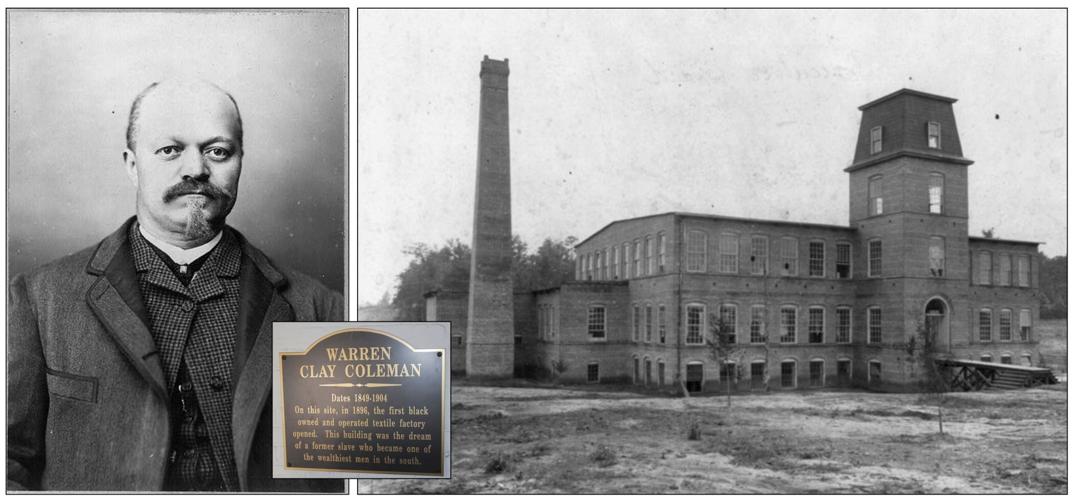
Warren C. Coleman left a tremendous mark on Concord, including the first African-American owned textile mill in the country. It is shown here before being restored. The building is being used for several businesses today and has been declared an historic landmark by the city of Concord.
Andy Langford is a member of the Concord City Council. He is a former pastor at Central United Methodist Church. He previously wrote a series on Cabarrus Communities of Faith for the Independent Tribune.
Warren C. Coleman left a tremendous mark on Concord, including the first African-American owned textile mill in the country. It is shown here before being restored. The building is being used for several businesses today and has been declared an historic landmark by the city of Concord.