

Is fresh best?
Dog owners are switching out their kibble for premium options. A veterinarian breaks down the pros and cons
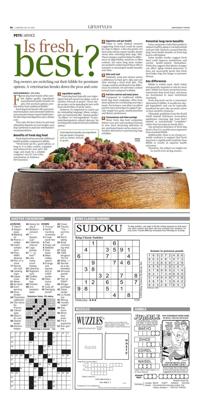
Fresh dog food typically uses ingredients that pet owners recognize, such as chicken, broccoli or grains.
PETS| ADVICE
Fresh dog food brands often market higher-quality ingredients and potential health benefits for pets. But are fresh options actually better than traditional kibble?
Fresh dog food brands offer personalized meal plans and convenient delivery, and some pet owners report health benefits like improved digestion and a shinier coat.
That said, the best choice for pet food ultimately depends on your budget, your dog's preferences and your veterinarian's recommendation.
Benefits of fresh dog food
Fresh dog food may provide additional health benefits compared to kibble.
"Fresh food can be a good option, as long as it is fully cooked, complete and balanced for your pet's life stage and made by a reliable company," says Dr. Liza Cahn, veterinarian at Embrace Pet Insurance.
1 Ingredient quality
Fresh dog food typically uses ingredients that pet owners recognize, such as chicken, broccoli or grains. These simple recipes can be appealing for pets with food sensitivities or picky eaters.
However, it's important to watch out for misleading language. Many companies use buzzwords like "human grade," "no fillers" or "real ingredients" to promote their products, which Cahn says "do not inherently make fresh food a healthier option."
2 Digestion and gut health
There is some limited research suggesting fresh food could be easier for dogs to digest. Cahn also points out that some owners report smaller, firmer stools after switching their dogs' diet. These changes could be linked to differences in digestibility, moisture or fiber content, but more long-term studies are needed to understand if these effects translate to meaningful health benefits over time.
3 Skin and coat
Similarly, some pet owners notice a difference in their pet's skin and coat after starting a fresh food diet. This change could be attributed to the differences in nutrient, fat and water content in fresh food compared to kibble.
4 Portion control and meal plans
Compared to traditional kibble, fresh dog food companies often have more options for customizing your dog's meals. For instance, you often can adjust portion sizes and recipes to support specific weight loss goals, health priorities and dietary preferences.
5 Convenience and time savings
Many fresh dog food companies deliver your pet's personalized formula to your door. Recurring deliveries of pre-portioned meals can be a more convenient alternative to purchasing bags of kibble.
Potential long-term benefits
Some companies claim their products support healthy aging or can help extend your pet's life. However, research into the long-term health benefits of fresh dog food is still limited.
Some smaller studies suggest fresh food could improve metabolism and certain health-related biomarkers. While this suggests that dietary changes can affect aging-related processes, it does not necessarily prove that fresh food helps dogs live longer or prevents disease.
Key differences
Kibble is widely used, shelf-stable and generally regarded as safe for most pets. Kibble has been researched more extensively than fresh food, and many are formulated to meet nutritional standards.
Fresh dog food can be a convenient alternative to kibble. It usually has simple ingredients and can be especially beneficial for pets who are picky eaters or have sensitive stomachs.
Ultimately, guidelines from the World Small Animal Veterinary Association emphasize choosing dog food that's labeled as nutritionally "complete," rather than focusing on trendy diets.
One potential drawback of fresh dog food is that it is usually more expensive than standard kibble.
Additionally, there is no strong scientific evidence to support that fresh dog food is significantly healthier than kibble or results in superior health outcomes.
Therefore, the added cost might not be worth it for all dog owners.