
NEW YORK — For one Wisconsin couple, the loss of government-sponsored health subsidies next year means choosing a lower-quality insurance plan with a higher deductible. For a Michigan family, it means going without insurance altogether.
People are also reading…
- Soccer title caps Hickory Ridge's GMAC triple crown
- Friday Five: Historic clock, dinosaurs, music and war on litter
- Concord, Kannapolis, Harrisburg enact mandatory water restrictions starting May 15
- Cabarrus seeks public input on possible 2026 school bond referendum
- Kannapolis Farmers Market opens Thursday
- Cabarrus deputies complete New Sergeants Course
- Seventeenth class of Levine Scholars to join UNC Charlotte
- Friday Five: Celebrity spotted, Chick-fil-a opens and Rotary at the library
- No passport required: Explore the world from Downtown Concord
- Cabarrus Sheriff's Office nabs nearly 80 lbs. of meth in traffic stop
- Cabarrus County Sports Hall of Fame Wall to be unveiled Saturday
- Cabarrus softball, baseball teams roll into the NCHSAA playoffs
- Winners of Concord Stormwater Art Contest remind that 'only rain in storm drain'
- Cabarrus Calendar
- Cabarrus Calendar

- ALI SWENSON Associated Press

- ALI SWENSON, LINLEY SANDERS and AMELIA THOMSON-DEVEAUX Associated Press

Senate Minority Leader Chuck Schumer of New York speaks Thursday during a news conference on health care costs on Capitol Hill in Washington.
Mariam Zuhaib, Associated Press

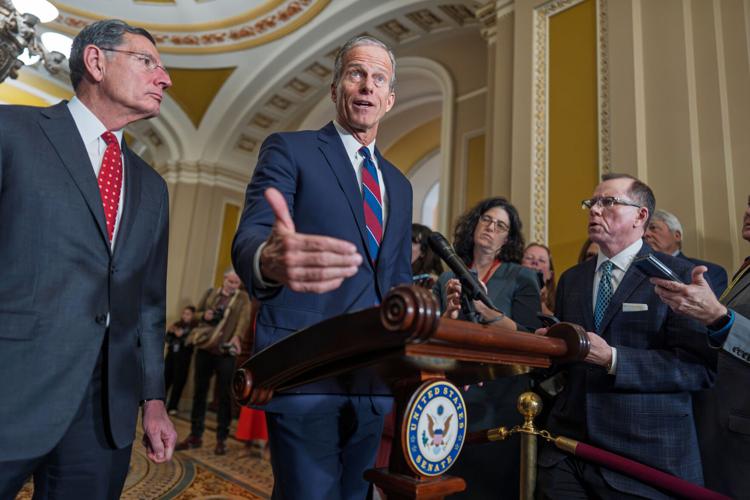
Senate Majority Leader John Thune, R-S.D., joined at left by Sen. John Barrasso, R-Wyo., speaks to reporters Dec. 9 at the Capitol in Washington after a closed-door meeting with fellow Republicans.
J. Scott Applewhite, Associated Press
- LINLEY SANDERS and WILL WEISSERT Associated Press
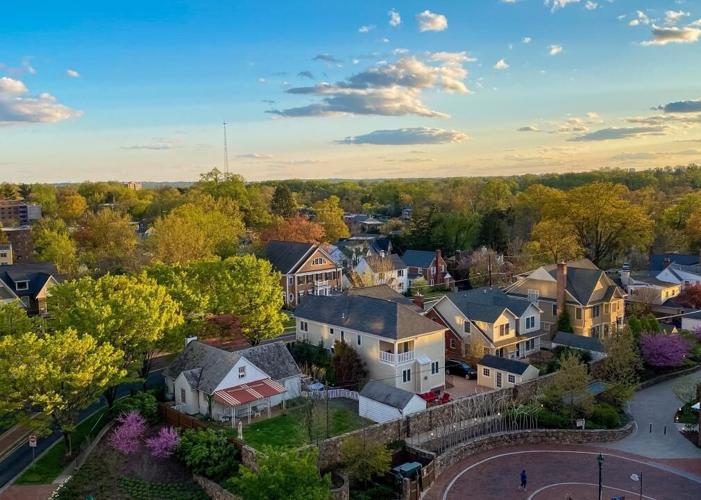
Many Americans who have bid farewell to the workforce or are thinking about it are turning to places that offer affordability, a strong economy, quality health care options, less traffic, and overall, more comfort. Neighborhoods outside major cities and metropolitan areas have grown in popularity among retirees, with 26% moving to smaller towns, but the overall number of people moving for retirement is down.
In 2021, American retirement relocations dropped significantly—approximately 43% less than the previous year, its lowest number of retiree relocations in five years. The Economic Research Federal Reserve Bank of St. Louis suggests this was a result of the ongoing COVID-19 pandemic, soaring home prices, and retirees not having enough savings.
- Nicole Glass Photography // Shutterstock
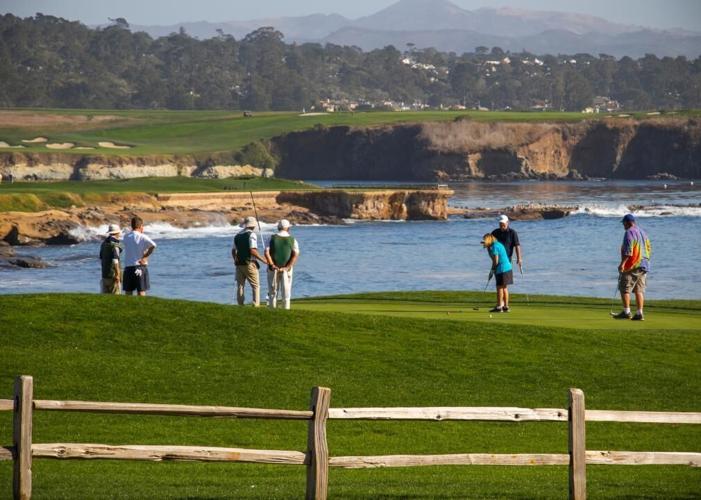
- Population: 4,105 (16% age 55-64 and 40% age 65+)
- Homeowners: 82% of the population
- MiNiProduction // Shutterstock
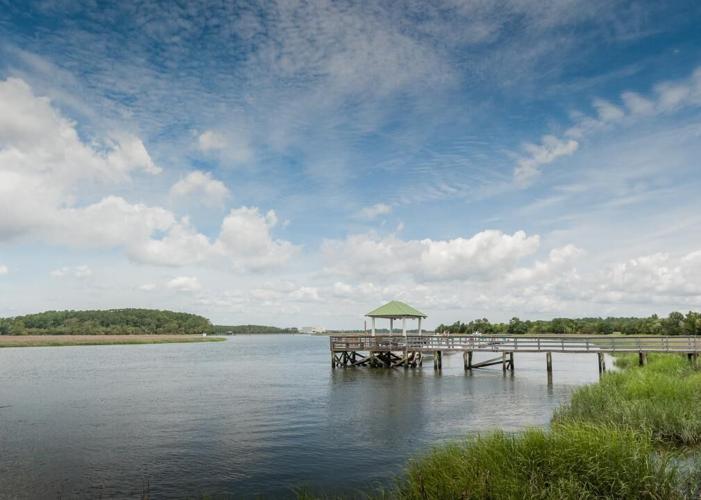
- Population: 1,162 (17% age 55-64 and 28% age 65+)
- Homeowners: 100% of the population
- Diana Daley // Shutterstock
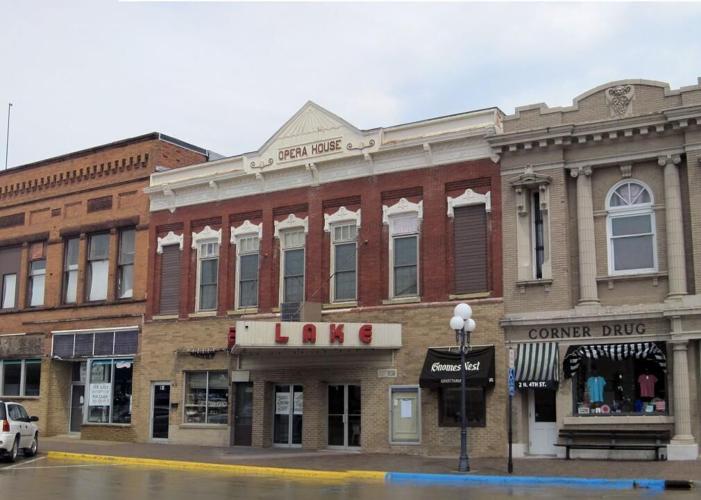
- Population: 7,597 (18% age 55-64 and 25% age 65+)
- Homeowners: 72% of the population
- Billwhittaker // Wikimedia Commons
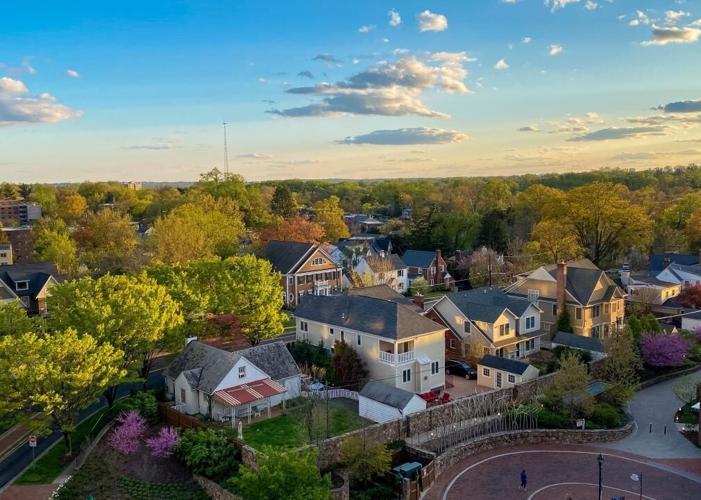
- Population: 9,622 (15% age 55-64 and 23% age 65+)
- Homeowners: 78% of the population
- Nicole Glass Photography // Shutterstock

- Population: 11,077 (15% age 55-64 and 30% age 65+)
- Homeowners: 85% of the population
- Amy Kerkemeyer // Shutterstock
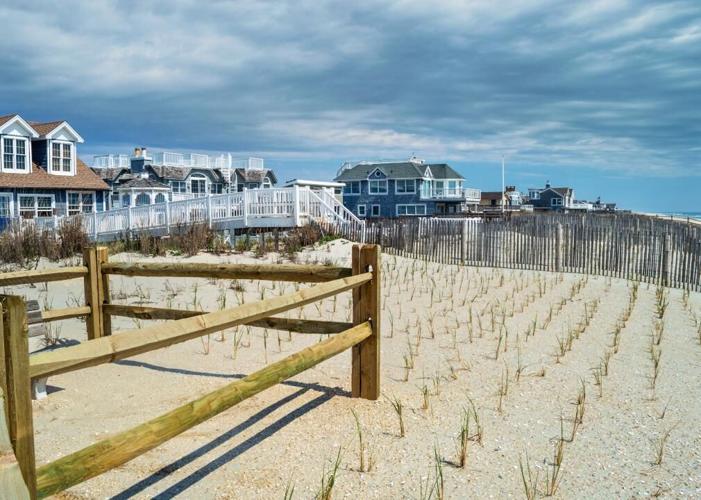
- Population: 1,271 (23% age 55-64 and 50% age 65+)
- Homeowners: 86% of the population
- Andrew F. Kazmierski // Shutterstock
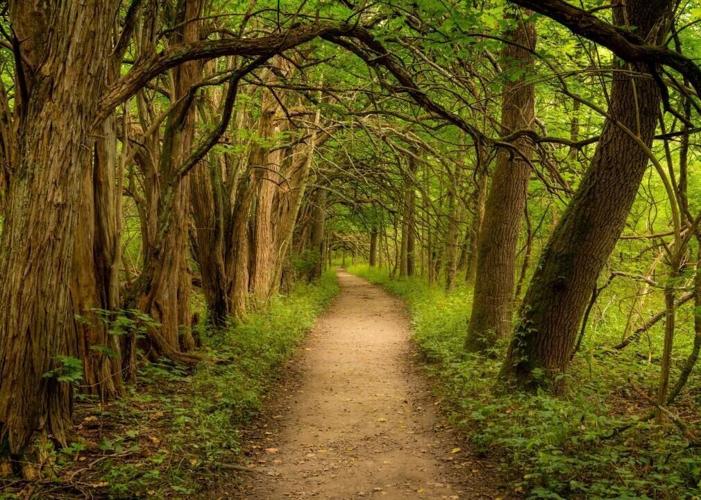
- Population: 7,212 (16% age 55-64 and 19% age 65+)
- Homeowners: 81% of the population
- arthurgphotography // Shutterstock
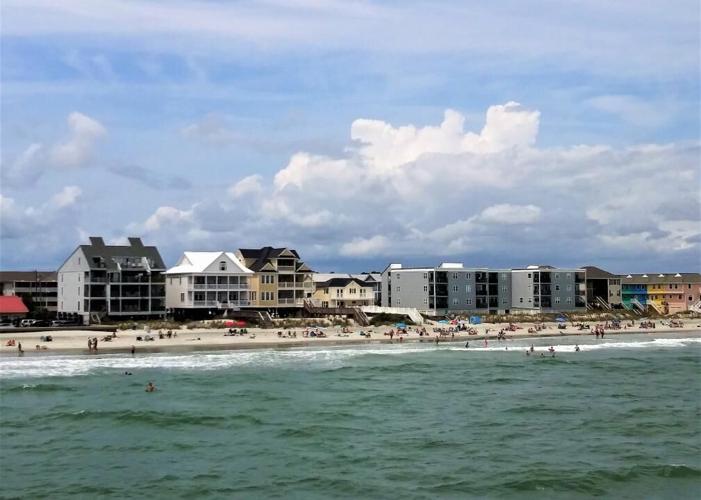
- Population: 10,669 (20% age 55-64 and 40% age 65+)
- Homeowners: 79% of the population
- bsankow // Shutterstock
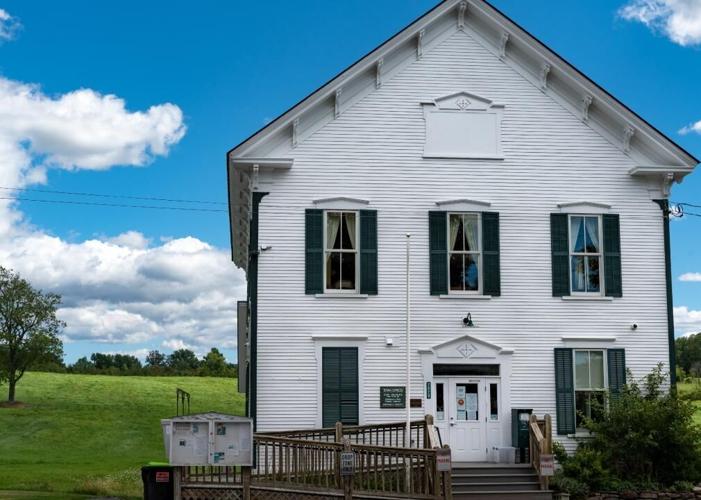
- Population: 1,028 (18% age 55-64 and 29% age 65+)
- Homeowners: 77% of the population
- Bob LoCicero // Shutterstock

- Population: 2,703 (14% age 55-64 and 26% age 65+)
- Homeowners: 77% of the population
- Jonathan Green // Wikimedia Commons
Best small towns for retirees in every state

Best small towns for retirees in every state
Many Americans who have bid farewell to the workforce or are thinking about it are turning to places that offer affordability, a strong economy, quality health care options, less traffic, and overall, more comfort. Neighborhoods outside major cities and metropolitan areas have grown in popularity among retirees, with 26% moving to smaller towns, but the overall number of people moving for retirement is down.
In 2021, American retirement relocations dropped significantly—approximately 43% less than the previous year, its lowest number of retiree relocations in five years. The Economic Research Federal Reserve Bank of St. Louis suggests this was a result of the ongoing COVID-19 pandemic, soaring home prices, and retirees not having enough savings.
- Nicole Glass Photography // Shutterstock
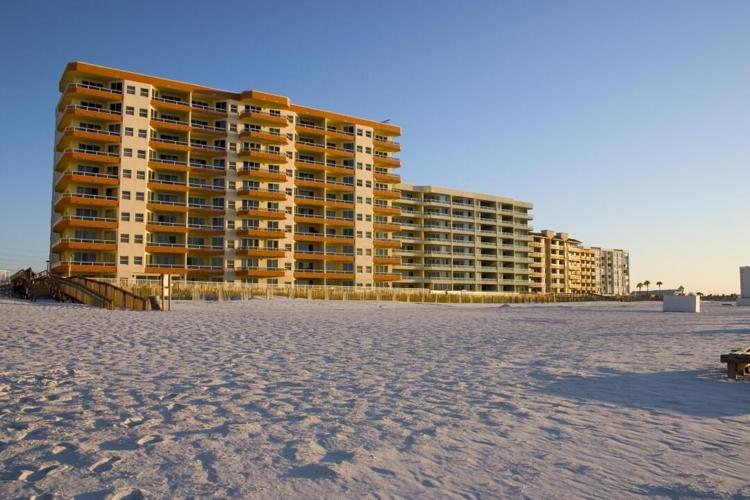
- Population: 6,019 (19% age 55-64 and 34% age 65+)
- Homeowners: 70% of the population
- Chris Watson // Wikimedia Commons
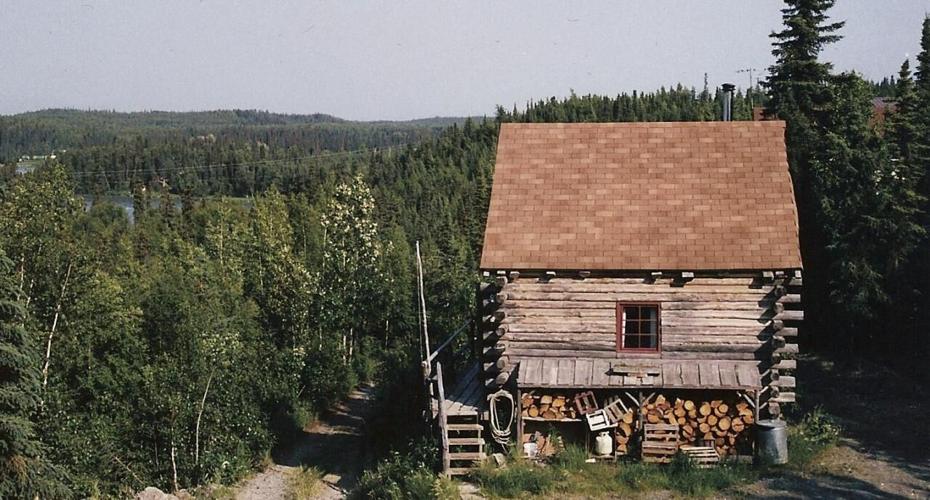
- Population: 4,649 (13% age 55-64 and 20% age 65+)
- Homeowners: 51% of the population
- Brian A. Ridder // Wikimedia Commons

- Population: 20,902 (14% age 55-64 and 80% age 65+)
- Homeowners: 85% of the population
- James Brooks // Wikimedia Commons
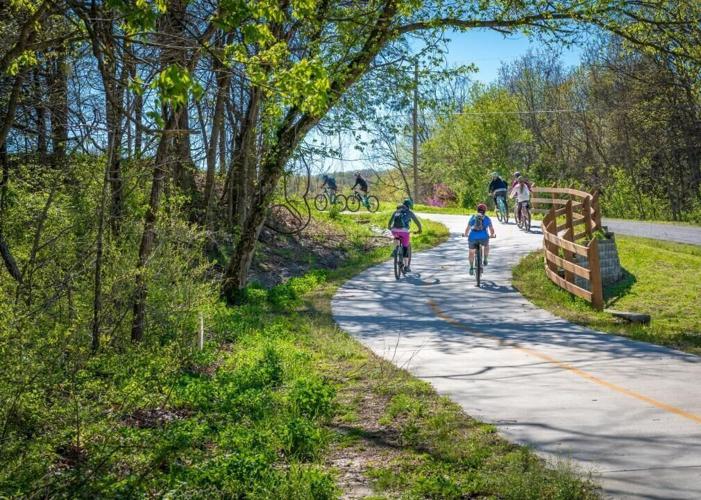
- Population: 28,539 (14% age 55-64 and 33% age 65+)
- Homeowners: 87% of the population
- shuttersv // Shutterstock
- Population: 4,105 (16% age 55-64 and 40% age 65+)
- Homeowners: 82% of the population
- MiNiProduction // Shutterstock

- Population: 2,835 (15% age 55-64 and 21% age 65+)
- Homeowners: 97% of the population
- Jeffrey Beall // Shutterstock
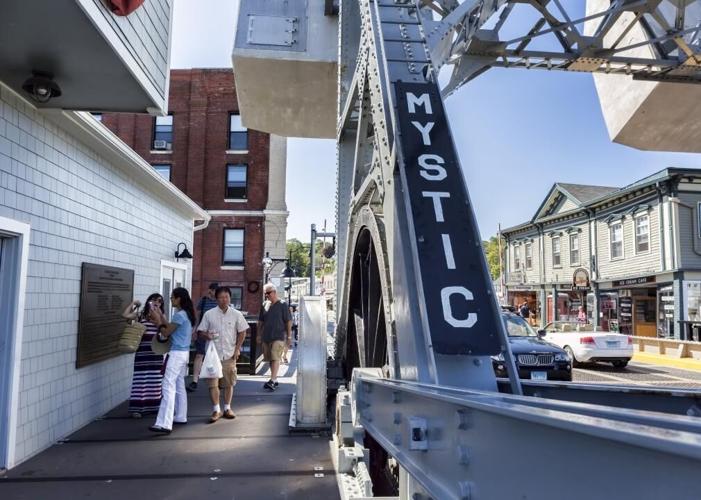
- Population: 4,249 (17% age 55-64 and 32% age 65+)
- Homeowners: 68% of the population
- Paul Latham // Shutterstock

- Population: 1,400 (24% age 55-64 and 48% age 65+)
- Homeowners: 82% of the population
- Ron Shawley // Wikimedia Commons

- Population: 6,140 (13% age 55-64 and 83% age 65+)
- Homeowners: 95% of the population
- FloridaStock // Shutterstock
- Population: 1,162 (17% age 55-64 and 28% age 65+)
- Homeowners: 100% of the population
- Diana Daley // Shutterstock

- Population: 6,218 (23% age 55-64 and 25% age 65+)
- Homeowners: 60% of the population
- Elena_Suvorova // Shutterstock

- Population: 5,323 (14% age 55-64 and 20% age 65+)
- Homeowners: 62% of the population
- Sam Beebe // Wikimedia Commons
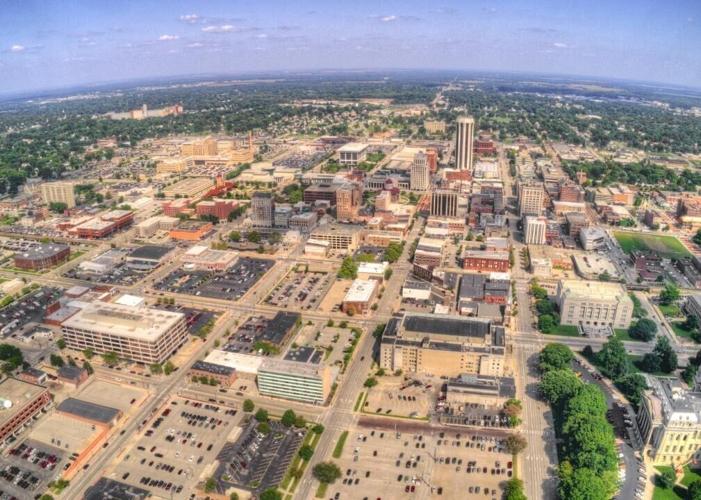
- Population: 1,406 (17% age 55-64 and 34% age 65+)
- Homeowners: 95% of the population
- Jacob Boomsma // Shutterstock

- Population: 1,741 (15% age 55-64 and 18% age 65+)
- Homeowners: 98% of the population
- ONUnicorn // Wikimedia Commons
- Population: 7,597 (18% age 55-64 and 25% age 65+)
- Homeowners: 72% of the population
- Billwhittaker // Wikimedia Commons
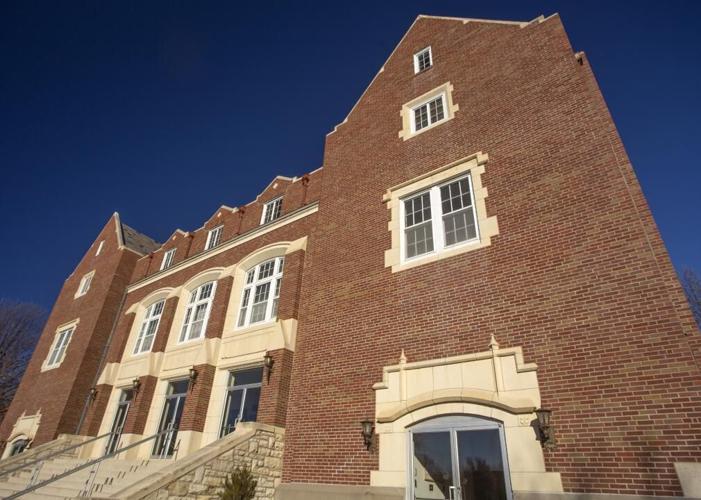
- Population: 1,778 (10% age 55-64 and 30% age 65+)
- Homeowners: 57% of the population
- Weldon Schloneger // Shutterstock
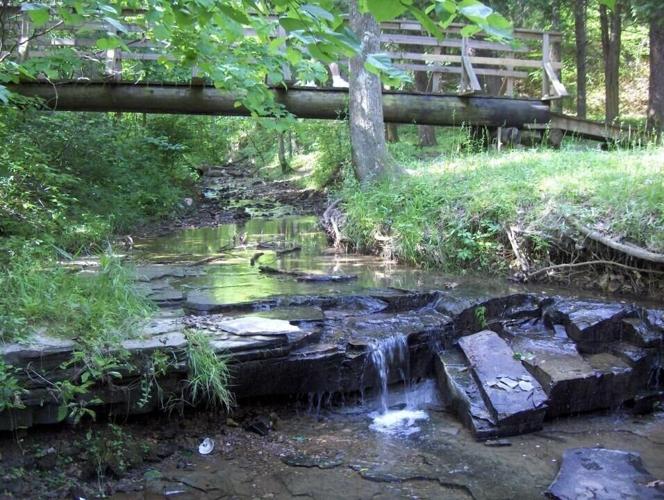
- Population: 2,433 (19% age 55-64 and 33% age 65+)
- Homeowners: 94% of the population
- John Knouse // Wikimedia Commons
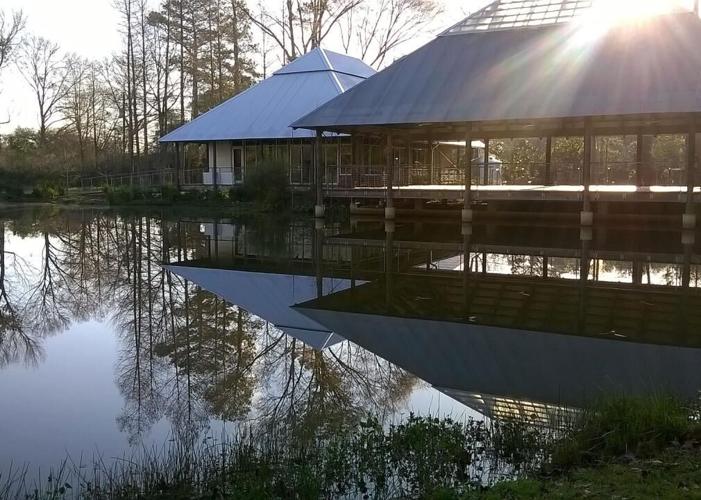
- Population: 2,760 (11% age 55-64 and 22% age 65+)
- Homeowners: 71% of the population
- H.dryad // Wikimedia Commons

- Population: 6,688 (17% age 55-64 and 26% age 65+)
- Homeowners: 63% of the population
- Kristi Blokhin // Shutterstock
- Population: 9,622 (15% age 55-64 and 23% age 65+)
- Homeowners: 78% of the population
- Nicole Glass Photography // Shutterstock
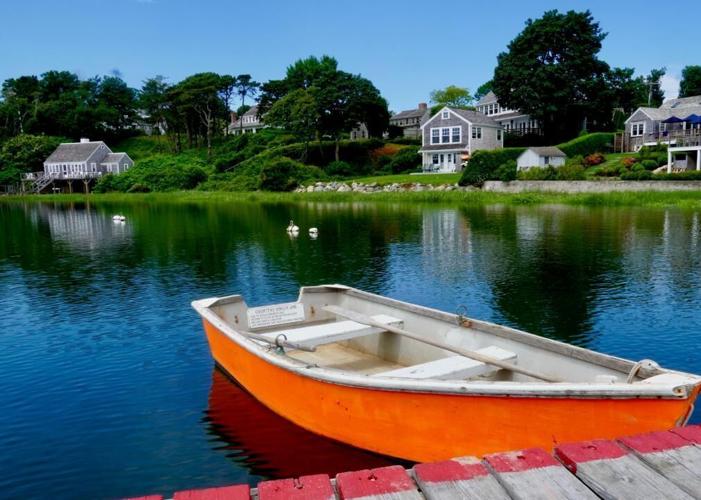
- Population: 6,019 (18% age 55-64 and 45% age 65+)
- Homeowners: 84% of the population
- J.A. Johnson // Shutterstock
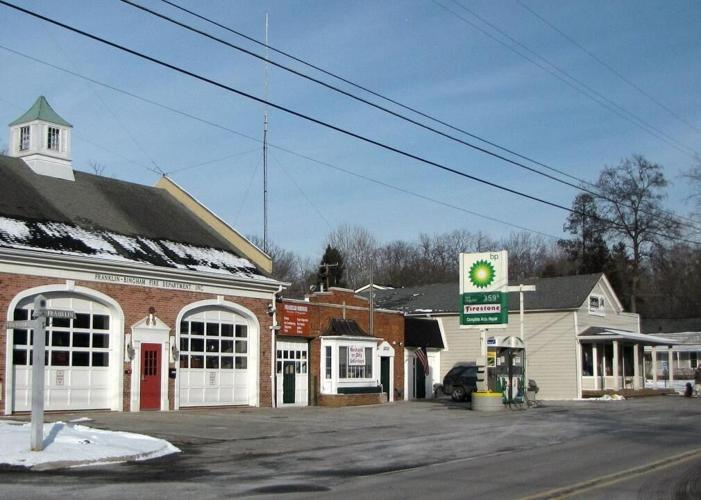
- Population: 1,129 (16% age 55-64 and 48% age 65+)
- Homeowners: 89% of the population
- Traveler100 // Wikimedia Commons
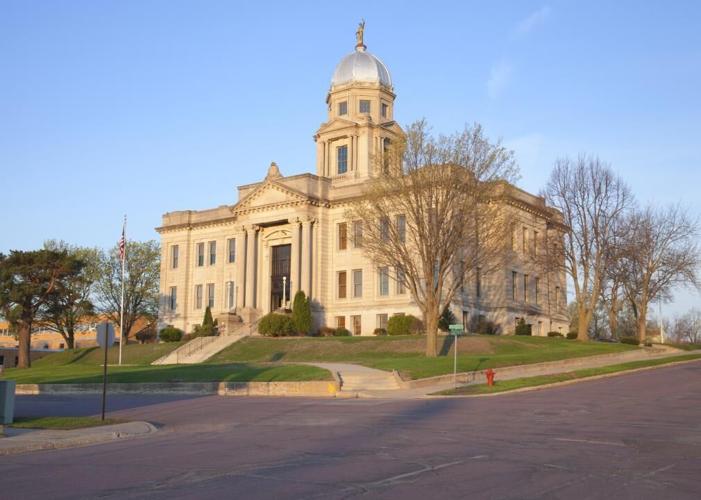
- Population: 3,219 (18% age 55-64 and 24% age 65+)
- Homeowners: 75% of the population
- Dan Thornberg // Shutterstock

- Population: 2,392 (17% age 55-64 and 28% age 65+)
- Homeowners: 87% of the population
- Aaron Manning // Wikimedia Commons
- Population: 11,077 (15% age 55-64 and 30% age 65+)
- Homeowners: 85% of the population
- Amy Kerkemeyer // Shutterstock
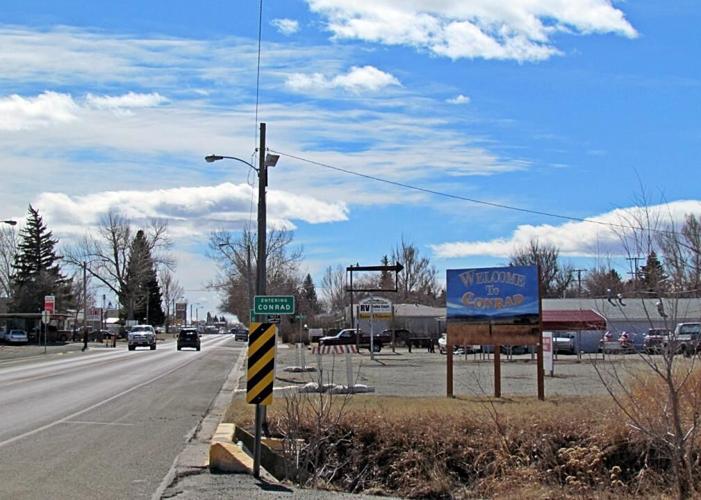
- Population: 2,633 (15% age 55-64 and 21% age 65+)
- Homeowners: 73% of the population
- 5of7 // Wikimedia Commons

- Population: 2,903 (10% age 55-64 and 25% age 65+)
- Homeowners: 60% of the population
- Ammodramus // Wikimedia Commons
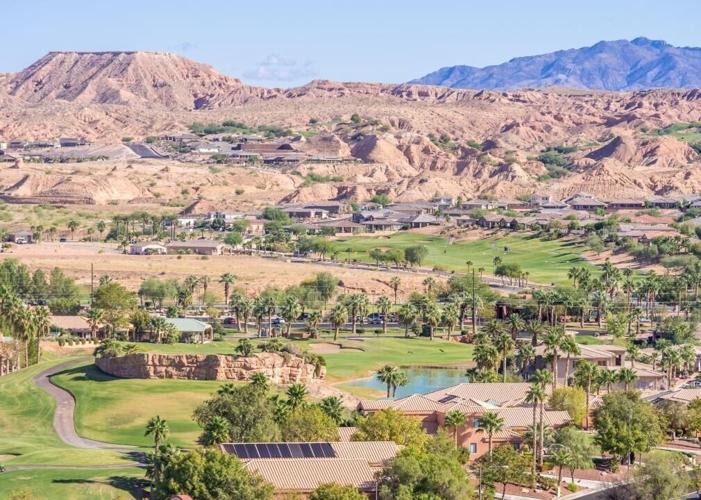
- Population: 18,446 (15% age 55-64 and 41% age 65+)
- Homeowners: 73% of the population
- Steve Lagreca // Shutterstock
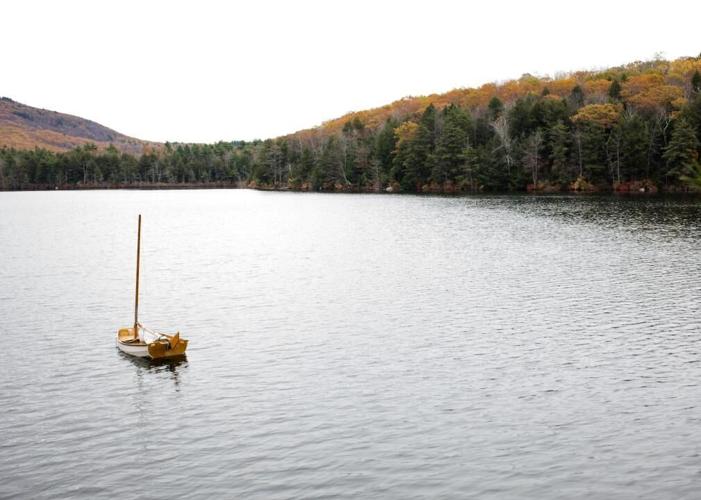
- Population: 6,604 (18% age 55-64 and 27% age 65+)
- Homeowners: 67% of the population
- M.Bailey // Shutterstock
- Population: 1,271 (23% age 55-64 and 50% age 65+)
- Homeowners: 86% of the population
- Andrew F. Kazmierski // Shutterstock

- Population: 3,571 (17% age 55-64 and 44% age 65+)
- Homeowners: 97% of the population
- Karl Cox // Shutterstock
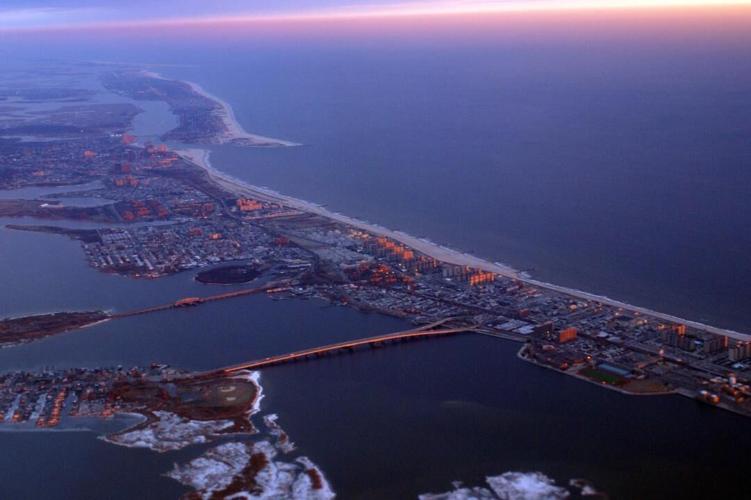
- Population: 3,119 (12% age 55-64 and 31% age 65+)
- Homeowners: 100% of the population
- Eric Salard // Wikimedia Commons

- Population: 1,343 (22% age 55-64 and 47% age 65+)
- Homeowners: 89% of the population
- James Willamor // Wikimedia Commons

- Population: 2,724 (15% age 55-64 and 29% age 65+)
- Homeowners: 71% of the population
- Tim Samuelson // Shutterstock
- Population: 7,212 (16% age 55-64 and 19% age 65+)
- Homeowners: 81% of the population
- arthurgphotography // Shutterstock
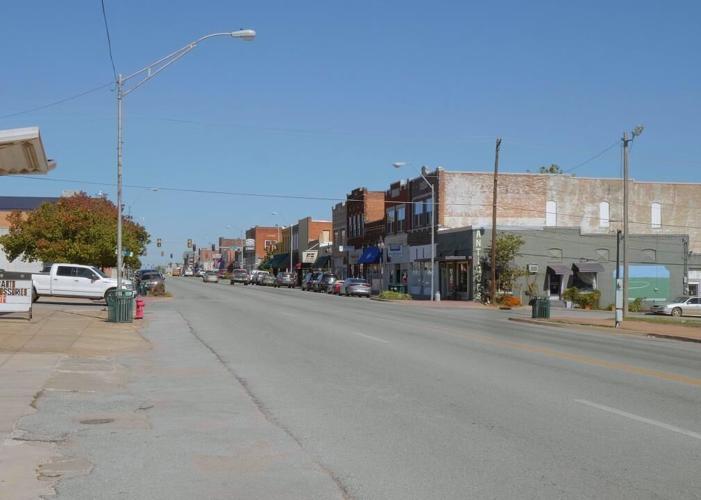
- Population: 9,452 (11% age 55-64 and 18% age 65+)
- Homeowners: 67% of the population
- 4kclips // Shutterstock
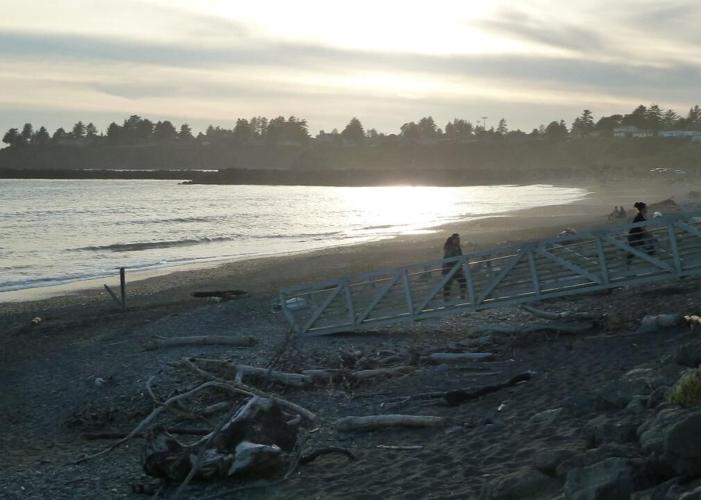
- Population: 1,958 (15% age 55-64 and 71% age 65+)
- Homeowners: 84% of the population
- Cary Bass // Wikimedia Commons
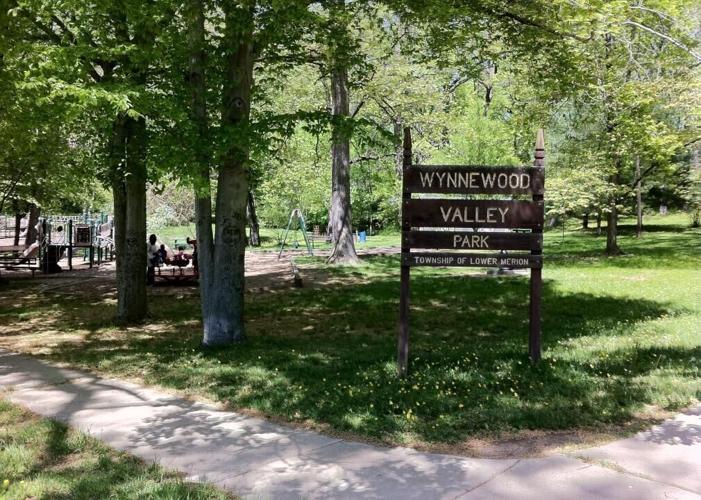
- Population: 5,932 (15% age 55-64 and 26% age 65+)
- Homeowners: 87% of the population
- ifly6 // Wikimedia Commons
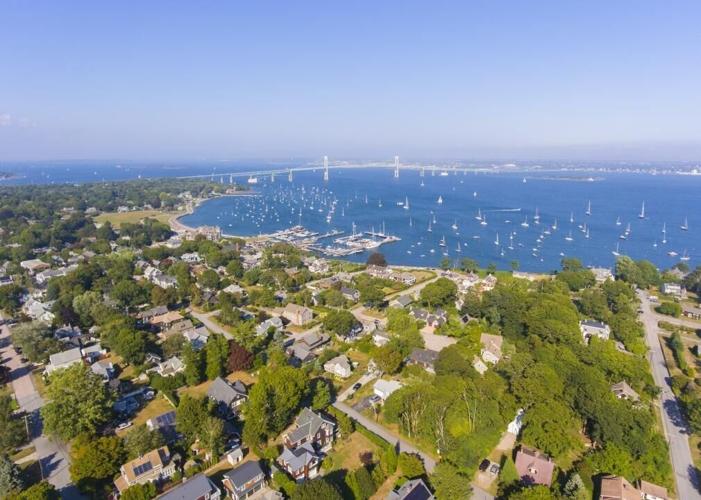
- Population: 5,494 (19% age 55-64 and 26% age 65+)
- Homeowners: 83% of the population
- Wangkun Jia // Shutterstock
- Population: 10,669 (20% age 55-64 and 40% age 65+)
- Homeowners: 79% of the population
- bsankow // Shutterstock
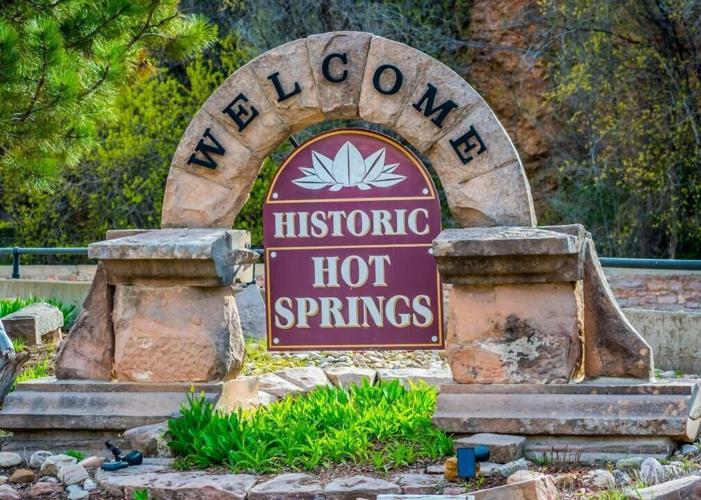
- Population: 3,509 (17% age 55-64 and 28% age 65+)
- Homeowners: 68% of the population
- Cheri Alguire // Shutterstock
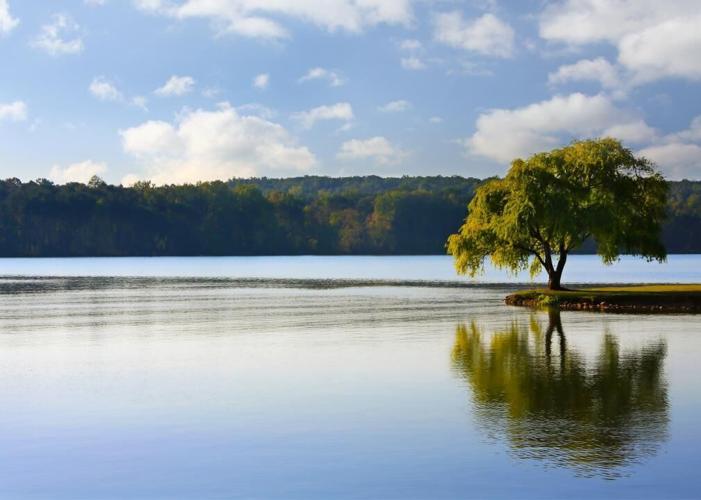
- Population: 22,631 (16% age 55-64 and 23% age 65+)
- Homeowners: 89% of the population
- Melinda Fawver // Shutterstock
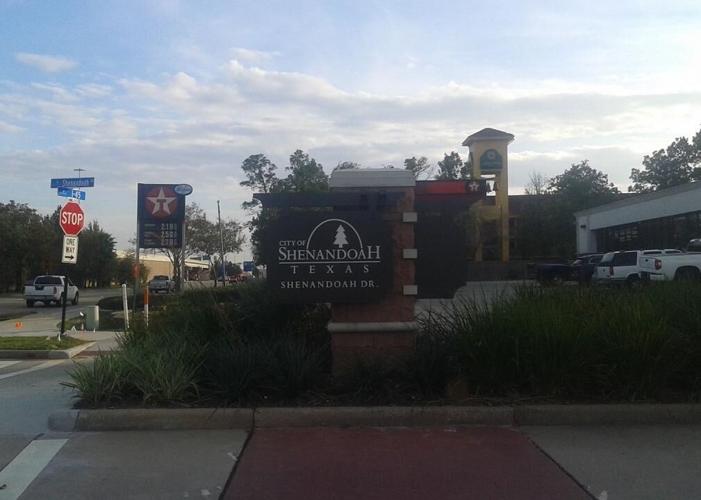
- Population: 2,887 (10% age 55-64 and 40% age 65+)
- Homeowners: 55% of the population
- Stedil // Wikimedia Commons

- Population: 8,530 (14% age 55-64 and 30% age 65+)
- Homeowners: 83% of the population
- Kit Leong // Shutterstock
- Population: 1,028 (18% age 55-64 and 29% age 65+)
- Homeowners: 77% of the population
- Bob LoCicero // Shutterstock

- Population: 1,226 (13% age 55-64 and 34% age 65+)
- Homeowners: 100% of the population
- Famartin // Wikimedia Commons
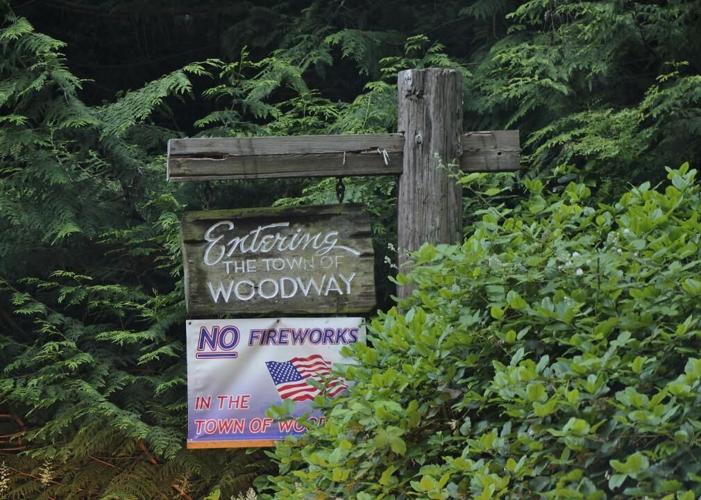
- Population: 1,105 (13% age 55-64 and 23% age 65+)
- Homeowners: 97% of the population
- SounderBruce // Wikimedia Commons
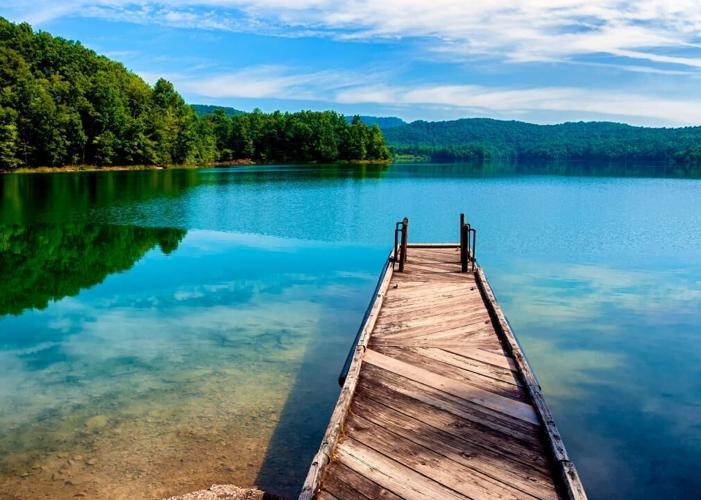
- Population: 3,368 (20% age 55-64 and 28% age 65+)
- Homeowners: 69% of the population
- Malachi Jacobs // Shutterstock
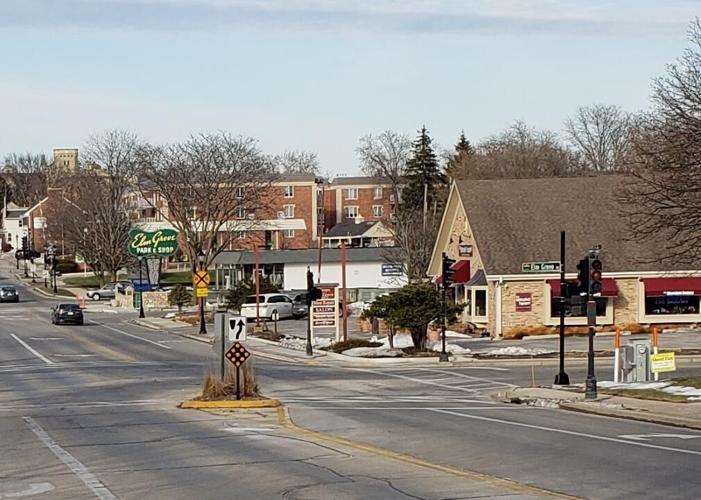
- Population: 6,153 (14% age 55-64 and 25% age 65+)
- Homeowners: 93% of the population
- Porterhse // Wikimedia Commons
- Population: 2,703 (14% age 55-64 and 26% age 65+)
- Homeowners: 77% of the population
- Jonathan Green // Wikimedia Commons

Cheerful couple walking on pedestrian street.
- Rido // Shutterstock