


The message is hammered over and over, in news conferences, hearings and executive orders: President Donald Trump and his health secretary, Robert F. Kennedy Jr., say they want the government to follow “gold standard” science.
AP Special Report
Department of Health and Human Services
RFK Jr. says he's following 'gold standard' science. Here's what to know
1 of 2
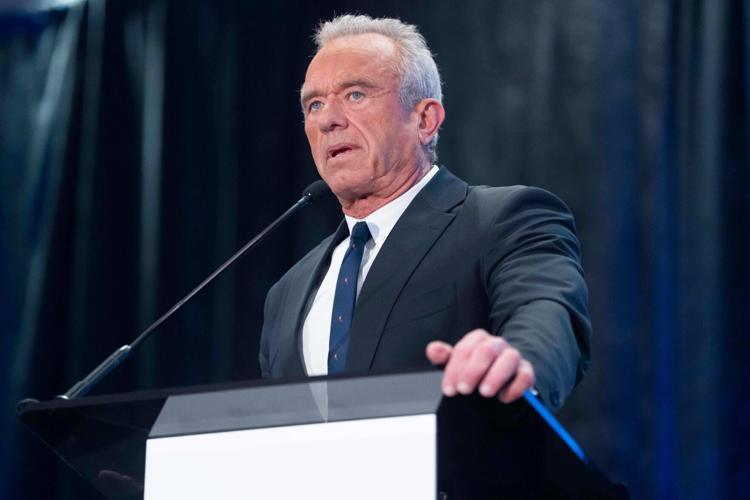
U.S. Secretary of Health and Human Services Robert F. Kennedy Jr. speaks during the Western Governors' Association meeting Nov. 20 in Scottsdale, Ariz.
The Centers for Disease Control and Prevention building in Atlanta

The drug's widespread acceptance fueled a stigma about seeking treatment, said Dr. Jennifer Exo of the Hazelden Betty Ford Foundation.

Lightning has already been confirmed at Jupiter and Saturn, and has long been suspected at Mars.

The Czech-born Stoppard was often hailed as the greatest British playwright of his generation.

Robert F. Kennedy Jr.’s first year leading HHS brought sweeping changes — and deep concern from public health experts.

The Trump administration plans to slash funding for the surveillance system from about $125 million a year to about $25 million.

A new review has found that Tylenol during pregnancy doesn't increase the risk of autism, ADHD or intellectual disabilities — adding to resear…

Robert F. Kennedy Jr. is reshaping U.S. health policy as HHS secretary, and doctors say his changes are eroding trust.

Several of the environmental advocates and vaccine skeptics who helped propel Kennedy into politics have become impatient with what they view …

The CDC’s new wording on vaccines and autism contradicts decades of scientific consensus and draws fierce backlash from experts.

Powerful anti-vaccine advocates and people selling potentially harmful goods such as raw milk are profiting from the push to write anti-scienc…

The report aims to end childhood diseases in the U.S. by refocusing public health on Kennedy's so-called "MAHA" movement's priorities.

More than 420 bills attacking longstanding public health protections — vaccines, milk safety and fluoride — have been introduced in statehouse…


