







The movie "The Odyssey" has rekindled sentiments of returning home. For years I traveled back to the scenic place of my birth, Cape Breton Island, Nova Scotia. This past August, I changed tack and visited the mainland of Nova Scotia, where I hadn’t been in decades.
My senses hadn’t forgotten: The briny smell of the Atlantic Ocean, the taste of the best lobsters in the world, the burst of flavor from the wild blueberry capital of Canada in Oxford, the highest tides in the world and, perhaps, some of the friendliest people on earth. That’s Nova Scotia.
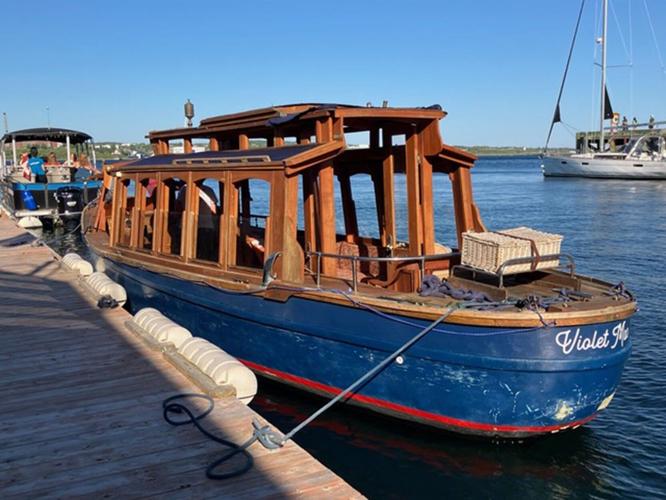
Having just flown in from Toronto for a week’s visit, I was, in short order, seated next to seven sightseers, basking in the warmth of the weather and the charm of Violet Mae, an old wooden boat with a polished facade and a modern take on plying the waters.
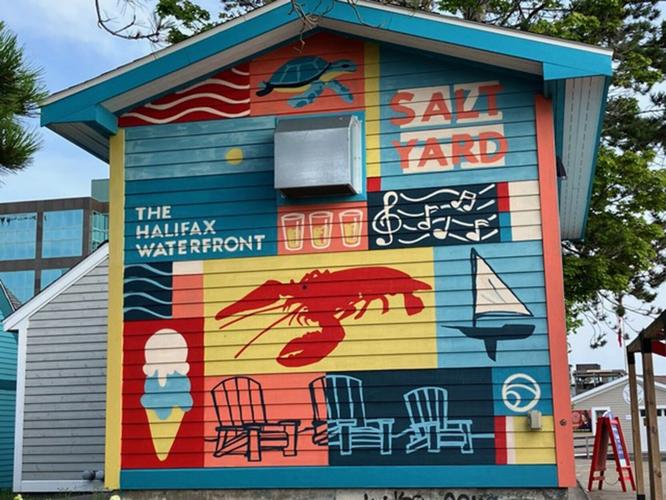
Of the many cruises on offer, she is the only one that is all-electric, no-noise and zero-exhaust. The guide pointed out significant landmarks along Halifax’s vibrant waterfront and regaled us with stories of yore and lore including that of Citadel Hill National Historic Site rising above the hilly city like a massive green velvet dome, its fortress a major tourist attraction.
People are also reading…
After the cruise, I visited the Canadian Museum of Immigration at Pier 21, fronting the harbor. This National Heritage Site pays homage to a million immigrants who arrived by ship between 1928-1971. Brilliantly displayed installations re-create life on board in painstaking detail: the actual beds, bedding, wash basins and vanities; a ship’s dining room with tablecloth, silver cutlery, crystal and menus; a trunk filled with clothing of a little girl displaying a red dress and her red rubber boots, another with a crib filled with antique dolls; rare films of immigrants’ arrivals; diaries and photographs. The museum really is a marvel.
There is an area, on the first floor, where your ancestry can be researched. I asked a charming employee for statistics on both my maternal and paternal grandparents, who arrived in Nova Scotia, in 1902 and 1890, respectively. She researched and presented the information within a half hour!
Nova Scotia’s connections to the United States are historic. If you have ever visited Boston at Christmas, you may have seen the lights of a massive tree in the center of the Boston Common. It’s a yearly gift from Nova Scotia showing its gratitude to the kind, generous doctors and nurses from Boston who came to the aid of thousands of citizens of Halifax maimed by the Halifax Explosion in 1917. During WW I, two ships in the harbor collided, one carrying deadly explosives. A huge swath of the city was decimated, the worst man-made explosion in history, only exceeded by Hiroshima in 1942. Halifax cemeteries are filled with those who perished.
Three of those cemeteries also hold the remains of 150 victims of the April 1912 RMS Titanic tragedy. As the nearest major seaport to the disaster, Halifax became the center of the recovery efforts. The Maritime Museum of the Atlantic houses the world’s largest collection of wooden artifacts from the Titanic: a surviving deck chair, a cribbage board, a toddler’s pair of leather shoes, all poignant reminders of the breadth of loss. James Cameron, who directed the 1997 film “Titanic,” visited the museum in preparation for filming.
Many American films and TV series have been shot in Nova Scotia. Perhaps the most well known is "The Curse of Oak Island," with its tales of hidden treasure reportedly buried by the pirate Captain Kidd. Many died in their pursuit of gold and silver. An episode of the series was being filmed on Oak Island when I arrived. Short of being cast as an extra, I visited the history of the mystery at the Island Interpretive Center. Captain Kidd, in all his regalia, stands sentinel in the museum that features recovered artifacts and detailed maps highlighting over 230 years of searching — the world’s longest running treasure hunt.
Our driver and guide, Jeff Babineau of Anchor Tours, was the passionate purveyor of detailed information regarding anything Nova Scotia. On our way to the UNESCO world heritage site of the town of Lunenburg, he recounted the story of “The Pride of Canada," the Blue Nose sailing scooter, built in that ship-building town, that garnered top racing prizes and displayed, in the water, the heart and the swiftness of the famed horse Secretariat.
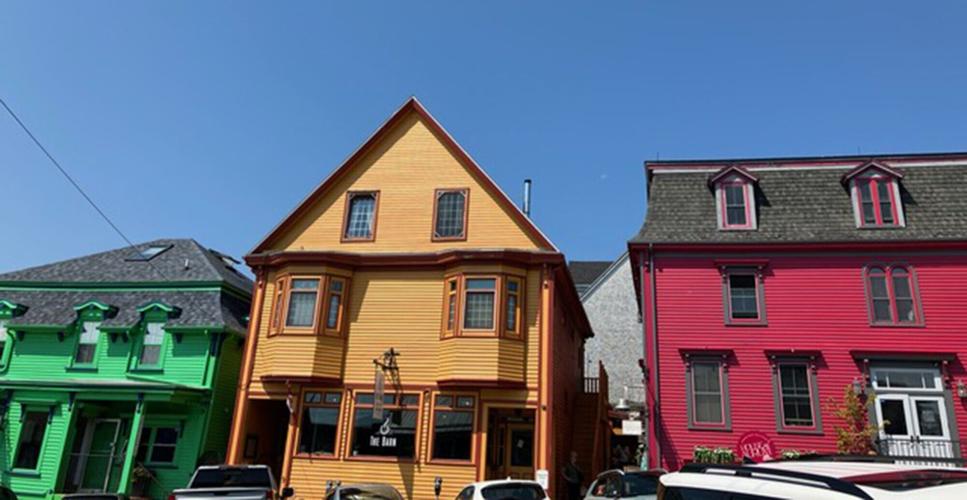
I was dazzled by the quaintness of Lunenburg. The boldly painted houses — apple green, pumpkin orange and cheery cherry, to name a few — evoke pure joy. Less colorful but more historic homes dated from the mid-18th century. The town is also well known for its original arts and crafts shops and its School of the Arts.
Seafood was on my mind, and the vast choice of restaurants offering it fresh from the ocean were filled with lobsters, oysters, clams and mussels, any way you like them. At the Half Shell Oyster Bar, I feasted on Bad Boy oysters infused with the distinctive salty taste of the ocean. Heaven.
A short drive from Lunenburg brought us to the tiny, picturesque Mahone Bay, with its flotilla of pure white sailboats basking in the summer sun. The town’s history of wooden boat building is well served in its museum. It’s also known for its scarecrows. From Sept. 25 to Oct. 12, 2026, 250 life-size handmade scarecrows will be on view during Mahone Bay’s 30th annual Scarecrow Festival. Something to crow about.
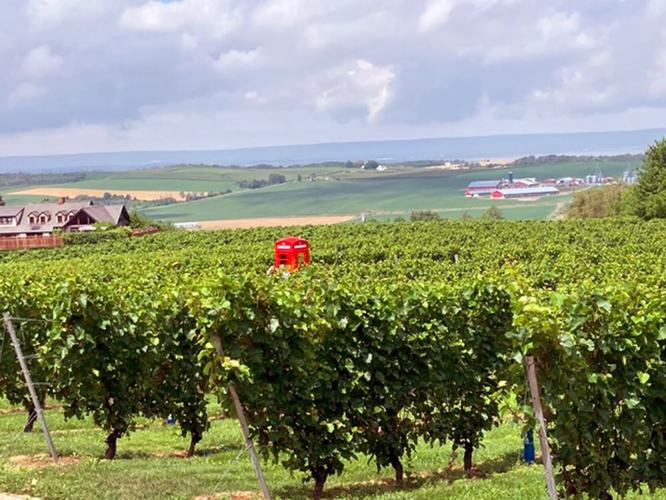
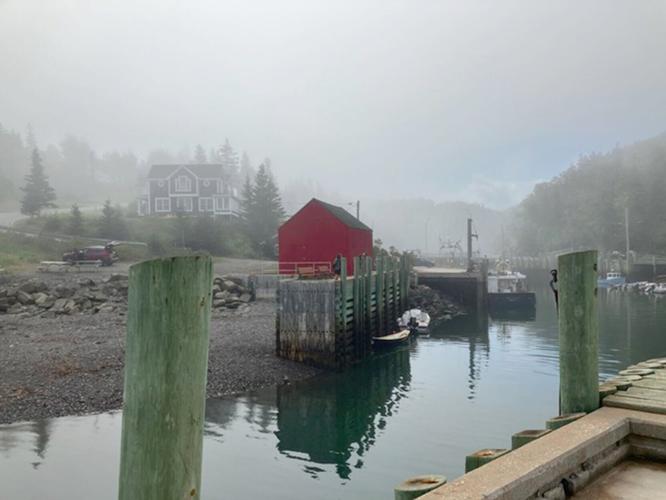
Annapolis Valley, the agricultural heart of Nova Scotia, was next on our agenda. It lies along the Bay of Fundy, which sees the highest tides in the world. We stopped briefly at Halls Harbour to view this unique phenomenon and then when the fog rolled in we rolled out and over to the nearby Luckett Vineyards for lunch. The spacious restaurant with its floor-to-ceiling windows overlooked vines as far as the eye could see. A red English call box stood In the middle of the vineyard. From there, you can call anywhere in the world for free. I restrained myself from calling pals about this perfect spot, especially when I had just devoured the best lobster roll in memory. It wasn’t drowning in mayonnaise like many a miserable roll, but was filled to overflowing the warm brioche bun with fresh chunks of succulent and sweet meat from the lobster’s claws and tail.
A dramatic contrast ensued that afternoon. We drove to the nearby community of Grand-Pré. It was founded in 1680 by Acadian settlers. Tragically, between 1755 to 1762, 10,000 men, women and children were forcibly expelled by the English and dispersed to many distant places including Louisiana, the Cajuns being their direct descendants. In 2012, UNESCO designated the Grand Pre agricultural landscape (5 square miles), a World Heritage site. The Grand Pre National Historic Site is located at its heart, and at its visitor center we viewed an excellent film dramatization of the tragedy. Afterwards, a stroll through the gorgeous gardens helped to lighten one’s spirits.
Back in Halifax for the last day of my personal odyssey, I explored the Halifax Seaport Famers’ Market in the early morning. It’s the oldest continuous running market in North America and hosts more than 100 vendors. A fiddler was entertaining the crowds mingling among a dizzying array of vegetable and fruit stands, one-of-a-kind clothing and ceramic vendors, and groaning tables piled with mountains of fresh breads, pies and pastries. Let’s just say that I availed myself of enough nourishment to hike up one of Halifax’s many hills to visit the Art Gallery of Nova Scotia.
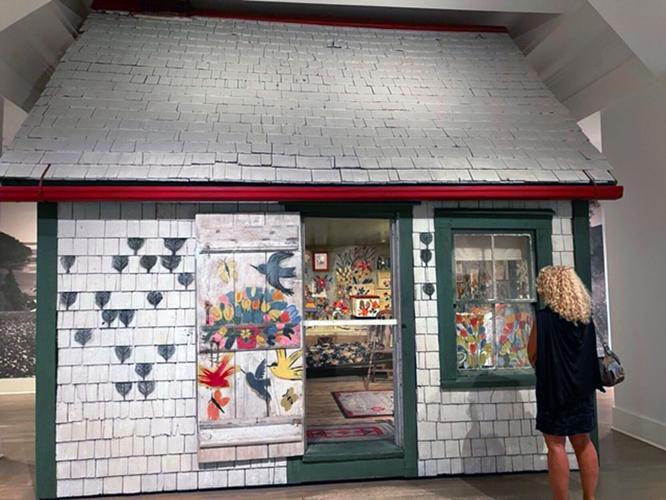
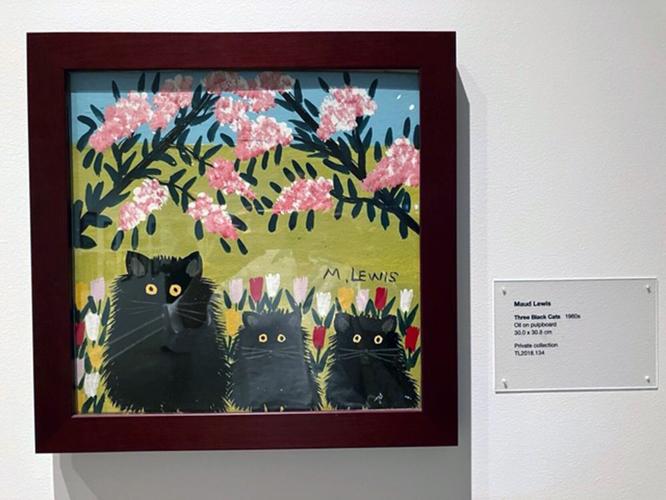
I wanted to view the work of the famous Canadian folk artist Maud Lewis. Although she was in constant physical pain, her colorful, childlike paintings of nature and animals (especially cats) expressed the joy of her spirit. She painted whimsical pictures of everything she loved on every inch of the interior of her tiny one-room house, which is now the centerpiece of this charming permanent exhibit. In 2016, the film "Maudie," starring Sally Hawkins and Ethan Hawke, was made about her life.
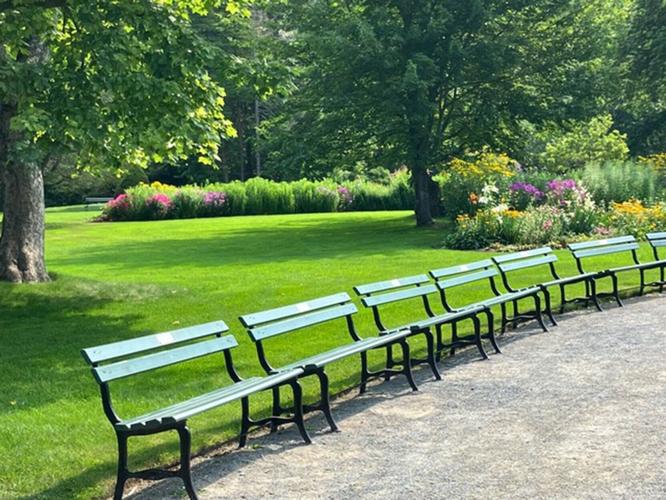
Last but not least, a 17-acre site of perfection in the center of the city. Halifax Public Gardens is considered one of the finest surviving examples of a Victorian garden in North America. After an engaging but busy week, sitting on a bench and watching the wild ducks parade into the ponds, gazing at the vast collections of flowers and trees, and marveling at the thought and care of each element of this magical garden imbued me with a deep sense of awe and serenity.
But before I take my leave, I have a few Halifax restaurant suggestions which I highly recommend: Bar Kismet, Edna, Bicycle Thief, Cafe Lunette. Each provides a unique culinary experience.
Two hotels where I most comfortably spent my six nights are The Westin Nova Scotian and The Sutton Place.
There’s a song called "Farewell to Nova Scotia," which I kept humming on my way back to Toronto that evening. A lament about missing one’s home while far away. What’s bred in the bone never really disappears.
_____


