





A job that might seem routine compared with logging or mining became considerably more dangerous and deadlier over the past decade.
The fatal injury rate for grounds maintenance workers, a category that includes many landscaping jobs, rose from 13 deaths per 100,000 workers in 2014 to 20.9 in 2024, according to an analysis by MoneyGeek, a personal finance and consumer research website, using federal workplace fatality data from 2024. Data for 2025 is not yet available.
That increase was enough to put grounds maintenance workers among the 10 most dangerous occupations in the U.S. in 2024. The Bureau of Labor Statistics recorded 239 fatal work injuries among those workers that year, with transportation incidents listed as the leading cause.
The increase stands out because workplace fatalities overall have moved in the opposite direction in recent years. There were 5,070 fatal work injuries across the U.S. in 2024, down from 5,283 in 2023 and 5,486 in 2022, according to the MoneyGeek analysis of BLS data.
People are also reading…

Logging remained the deadliest U.S. occupation in 2024, according to MoneyGeek
Most deadly jobs
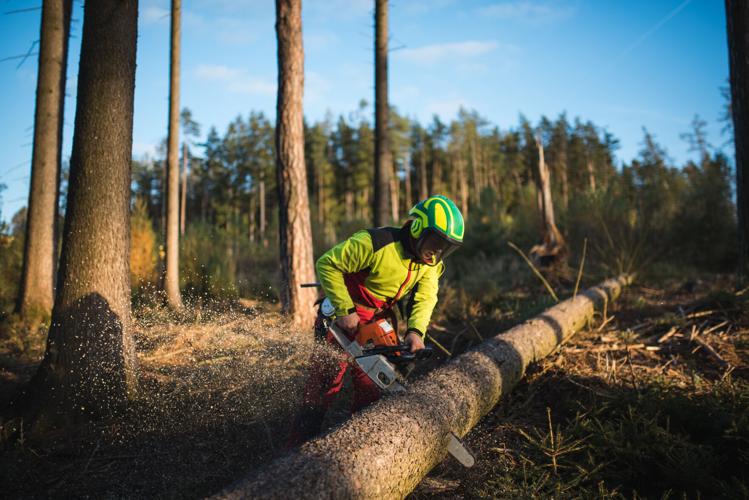
Logging remained the country's deadliest occupation in 2024, according to MoneyGeek, with more than 33 times the national fatality rate of 3.3 per 100,000 workers.
The 10 occupations with the highest fatal injury rates per 100,000 workers were:
Logging: 110.4 deaths
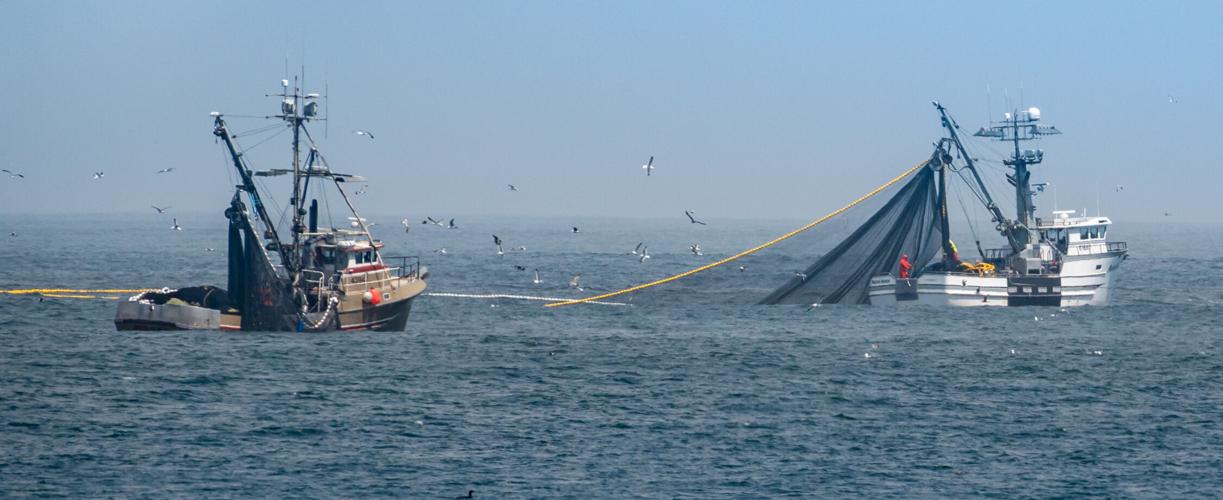
Fishing and hunting: 88.8
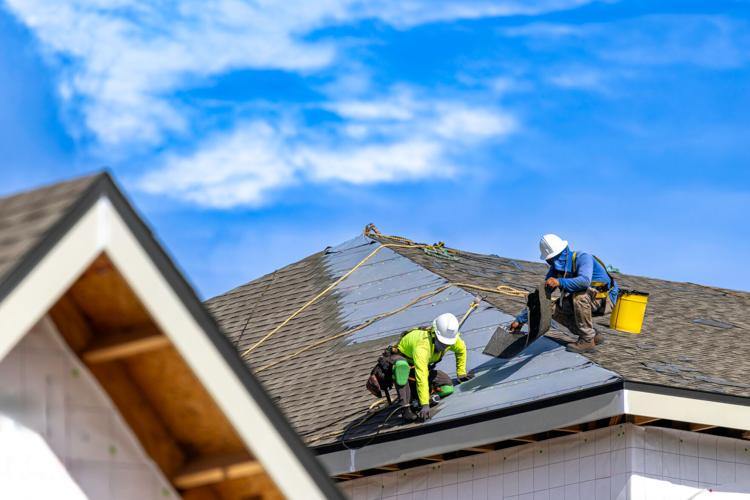
Roofers: 48.7
Structural iron and steel workers: 37.8
Refuse and recyclable collectors: 37.4
Aircraft pilots and flight engineers: 36.7
Construction trade helpers: 35.8
Underground mining machine operators: 35.6
Driver/sales workers and truck drivers: 25.7
Grounds maintenance workers: 20.9

Roofers, wearing hard hats and safety harnesses, install asphalt shingles on a residential building.
Aircraft pilots and flight engineers experienced the largest decline in fatal injury rates from 2014 to 2024, according to the analysis. Electricians, farmers and ranchers, and power-line installers also saw substantial improvements.
The latest figures come from the BLS Census of Fatal Occupational Injuries for 2024. BLS released the data in February 2026, making it the most recent complete federal dataset on fatal workplace injuries. The 2024 figures show that, even as workplace deaths declined nationally, the risk increased in some occupations, including grounds maintenance.

Commercial squid fishing boats work with nets in Monterey Bay off the coast of central California.
Why so hazardous?
Hazards vary depending on the occupation.
For logging workers, 40 of the 51 fatal work injuries in 2024 involved contact with objects or equipment, according to MoneyGeek. Among roofers, falls, slips and trips accounted for 83 of 104 deaths.
Transportation incidents were the largest overall source of fatal workplace injuries, accounting for 1,937 deaths in 2024, or 38.2% of the national total. Transportation was also the leading cause of fatal injuries among truck drivers, fishing and hunting workers, refuse collectors and grounds maintenance workers.
The number of deaths can obscure how risky an occupation is for an individual worker. Truck drivers and driver/sales workers had 950 fatalities in 2024, the highest total of any occupation in the analysis, but their fatal injury rate was 25.7 per 100,000 workers.
Workers 65 and older accounted for 824 fatal workplace injuries in 2024, according to MoneyGeek. That was up 21.9% from 676 deaths in 2020.
Older workers made up 16.3% of all workplace fatalities in 2024, compared with 14.2% in 2020. The 55-to-64 age group was the only group under 65 to see a decline in fatal workplace injuries during that period.